15-Day Delivery: How a Chinese Factory Ships Custom Dehumidifiers in Half a Month
- Share
- publisher
- East Dehumidifier Technical Team
- Issue Time
- Sep 21,2026
Summary
How EAST ships a custom industrial dehumidifier in 15 working days: the day-by-day timeline from design to dispatch, 48-hour full-load testing, and the six customizations that actually extend lead time.
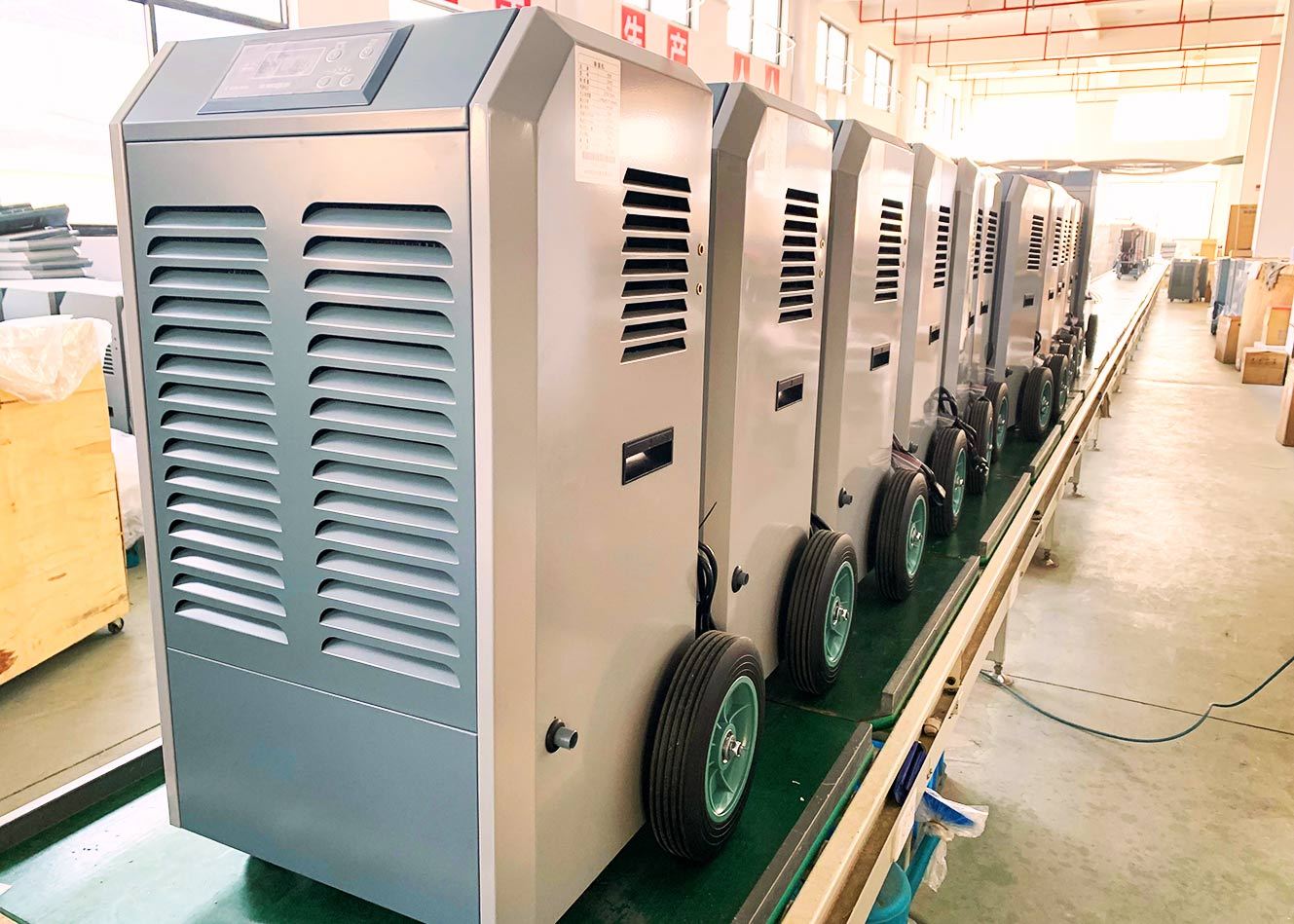
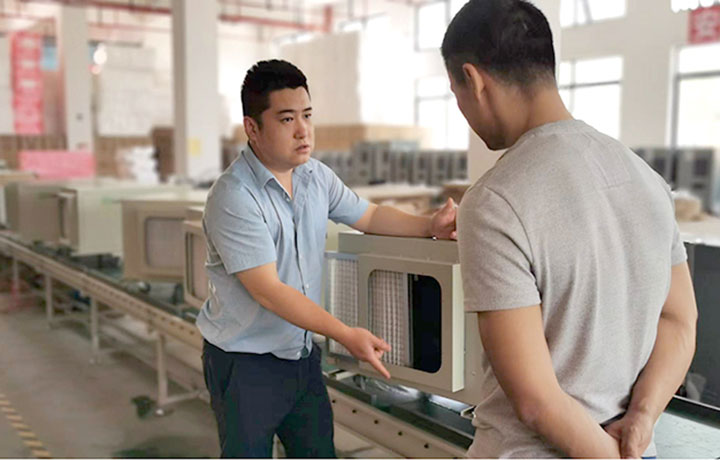
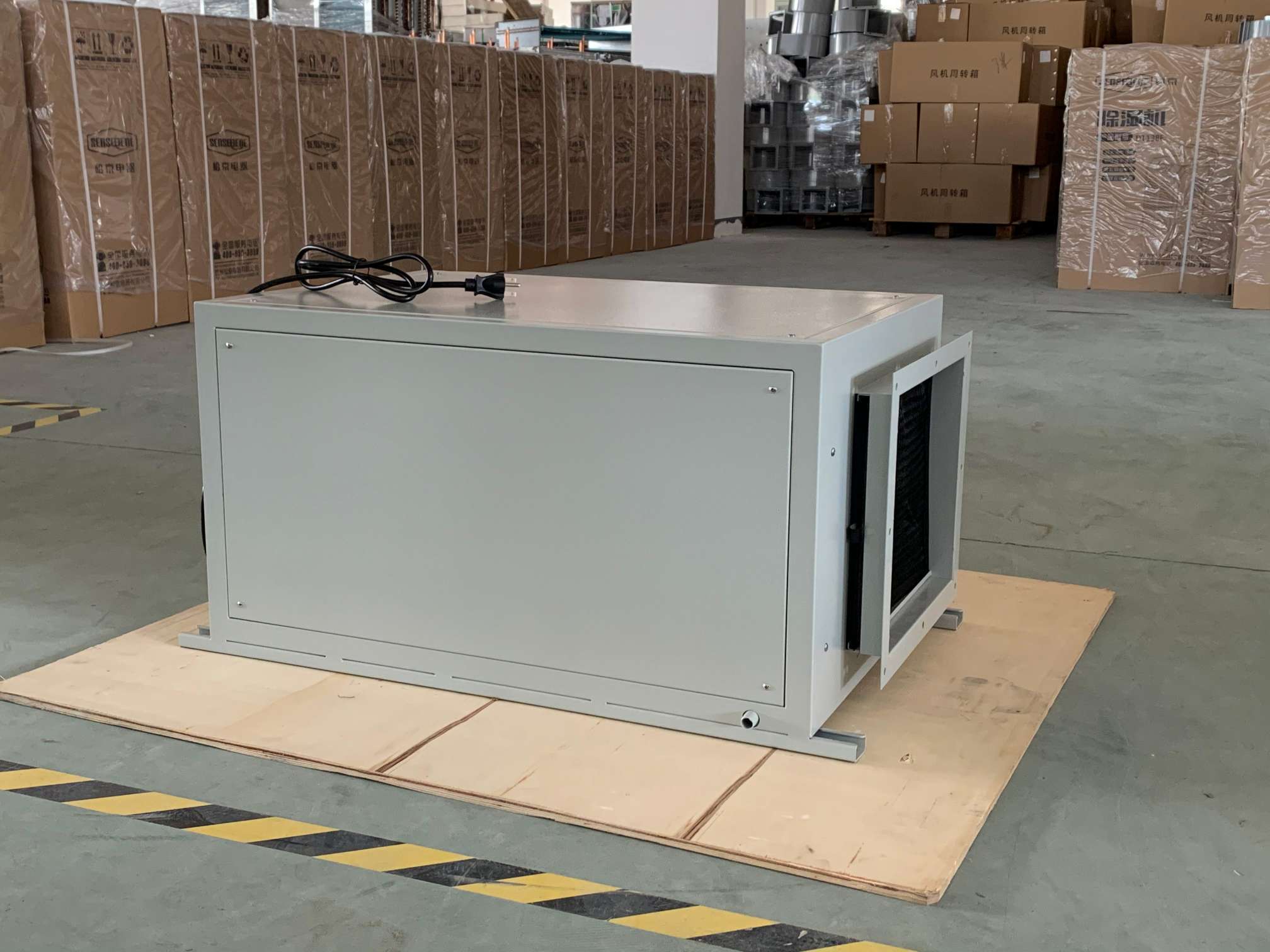
Lead time is the most under-priced variable in an OEM dehumidifier deal. A distributor who quotes a project at a 40-day lead time loses to the one who can promise two weeks — even at the same unit price. The surprising part: a 15-day schedule is not magic. It is what happens when a factory has already done the engineering, and is only configuring a known platform rather than inventing a new machine. This article walks the full timeline, day by day, and is honest about the six customizations that stretch it. The 15 days count working days from the moment your technical drawing is confirmed and your deposit clears. Ocean freight, customs and final delivery are not in the number — those are added on top and depend on your destination. What the 15 days do cover is everything from design lock to a fully crated unit ready for FOB loading. For context on where this sits in the market: a Bry-Air MiniPAC desiccant unit sold through US dealers is listed as built-to-order with roughly a 5-week lead time, while large engineered battery-dry-room systems from Munters are contracted for delivery across multiple quarters. Typical China bulk-OEM lead times in 2026 land around 25–45 days. A 15-day figure only makes sense when you understand why each stage below is short. Design is the stage where most factories quietly burn a week. It does not have to. The reason we can close it in two days is that we design on a pre-engineered platform, not from a blank sheet. An industrial dehumidifier is defined by a handful of variables: moisture-removal capacity (kg/h or L/day), process airflow (m³/h), target dew point, supply voltage and frequency, and the control interface. When those variables sit inside an existing product family — condensing floor-stand, ceiling-mounted, desiccant rotor, split, or hybrid — the "design" task becomes selecting the right combination and producing a manufacturing drawing, not engineering a new thermodynamic system. The honest caveat: the two-day number assumes the customizations fall inside the standard envelope. New molds, non-stock compressors or a novel control protocol move design out of this window — covered in section 7. The biggest single difference between a 15-day factory and a 40-day factory is whether the critical parts are already on the shelf. Compressors, desiccant rotors, evaporator and condenser coils, fan motors, electronic controllers, and safety devices for the most-ordered capacities are held in inventory and kitted per unit. That is what lets procurement collapse from "order and wait 2–4 weeks for a compressor" into a three-day pick-and-stage job. A factory that builds to order from a standing parts inventory is the only kind that can ship in two weeks. When a spec calls for a component outside the stocked range — an unusual rotor diameter, an exotic refrigerant, a motor re-wound for an uncommon voltage — procurement reverts to the industry-normal 25–45 days. You can verify which camp a supplier is in by asking one question: "Is the compressor for this capacity in your warehouse today?" A confident, specific answer is the tell. Six days of assembly sounds tight, and it is — but it is achievable because the sub-assemblies run in parallel rather than in sequence. None of this is a black box to the buyer. A factory tour or a live production video will show the lines running. Our own line has produced industrial and commercial units for more than 12 years of OEM/ODM work, which is exactly the kind of repeat-volume experience that makes a six-day assembly window reproducible instead of heroic. Assembly workshop at the EAST facility — sub-assemblies run in parallel to keep the six-day build window. Every custom unit spends 48 continuous hours at rated load before it is released. This is the stage a buyer should never let a supplier skip, because it is where real defects surface. The test log records moisture-removal capacity against spec, achieved dew point or outlet RH, compressor and heater current draw, operating noise, and refrigerant-leak and electrical-safety checks. The unit is run through start-stop and defrost cycles, not just a single steady-state point. This is not an invented standard. Independent China-sourcing guides note that reputable dehumidifier manufacturers run 48–72 hour continuous performance testing before shipment, alongside noise and leak checks. If a supplier claims to ship in a week, ask what their test window is — a factory that tests for 48 hours and still ships in 15 days has a disciplined process; one that skips the soak test is trading your warranty claims for its speed. Production line at the EAST facility in Hangzhou, China — units are run at rated load before dispatch. The final two days turn a tested machine into a shippable one. It is easy to under-price, and a bad packing job costs more than the crate. From dispatch, sea freight to Europe typically runs around 25–35 days and to North America 20–30 days, depending on the lane — which is why "15 days" is correctly understood as dispatch time, not door-to-door delivery. That distinction is the subject of one of the most common questions we get, answered in the FAQ below. A finished EAST industrial dehumidifier unit, crated and staged for export dispatch. A delivery promise is only as good as its honesty about what breaks it. Here are the six customizations that reliably push a 15-day schedule toward the industry-standard 25–45 days — and roughly what they add. This is also where the honest comparison lives. A Bry-Air or Munters unit is not "slower because it is worse" — a built-to-order desiccant machine with a 5-week lead, or a multi-quarter engineered battery-dry-room contract, is simply a different category of engineering. When your order is a configuration of a proven platform rather than a bespoke system, two weeks is a realistic number; when it is truly bespoke, nobody — including us — should promise 15 days. For more on how customization works on our side, see our OEM/ODM customization service. If you are pricing a project against a competitor's lead time, get the number in writing and pinned to a confirmed drawing — then send us your space, target RH and voltage and we will return a dispatch-date-backed quote within 24 hours.1. The 15-Day Timeline, Day by Day
Day Stage What happens 1–2 Design Capacity, airflow, voltage and control points are locked; manufacturing drawing and BOM are issued. 3–5 Procurement & kitting Compressors, rotors, coils, fans and controllers are pulled from stocked inventory and kitted per unit. 6–11 Production & assembly Sheet metal, coil brazing, refrigerant circuit, electrical wiring and final casing assembly. 12–13 48-hour full-load test Continuous run at rated load; capacity, dew point, power, noise and leak checks are logged. 14 Final QC & packing Export crating, manual, certificate of origin and packing list are prepared. 15 Dispatch Unit is sealed, documented and staged for loading at the port. 2. Design: 2 Days
Configure, don't invent
What the two days actually contain
3. Procurement & Kitting: 3 Days
What we keep in stock
Why this is a genuine, not a marketing, claim
4. Production & Assembly: 6 Days
Parallel workstreams
5. 48-Hour Full-Load Testing
What gets logged
It matches industry best practice, not just ours
6. Packing & Dispatch
What export packing involves
7. What Actually Delays a Custom Order
Customization Why it adds time Typical added lead time New tooling or molds (custom casing, new panel shape) Mold design, cutting and first-article approval run in weeks, not days. 2–4 weeks Non-standard voltage/frequency (e.g. 460V/60Hz outside the stocked build) Alternate compressor or re-wound motor must be sourced. 1–3 weeks New certifications (UL, CSA, ETL not already on file) Third-party lab filing and testing run on the lab's schedule. 3–6 weeks Custom control logic / BMS firmware Protocol development and bench validation before production. 1–2 weeks Non-stock compressor, rotor or refrigerant Component must be ordered from the supply chain. 2–4 weeks Mid-build spec changes Each change re-triggers drawing, kitting or rework. 3–5 days per change 8. FAQ