Why Global Dehumidifier Brands Outsource to China: Inside the OEM/ODM Model
- Share
- publisher
- East Dehumidifier Technical Team
- Issue Time
- Oct 26,2026
Summary
A buyer's guide to the OEM/ODM dehumidifier model: how OEM, ODM and private label differ, how the China supply chain works, how quality and IP are protected, a 10-point factory vetting checklist, and the hidden costs before your first order.
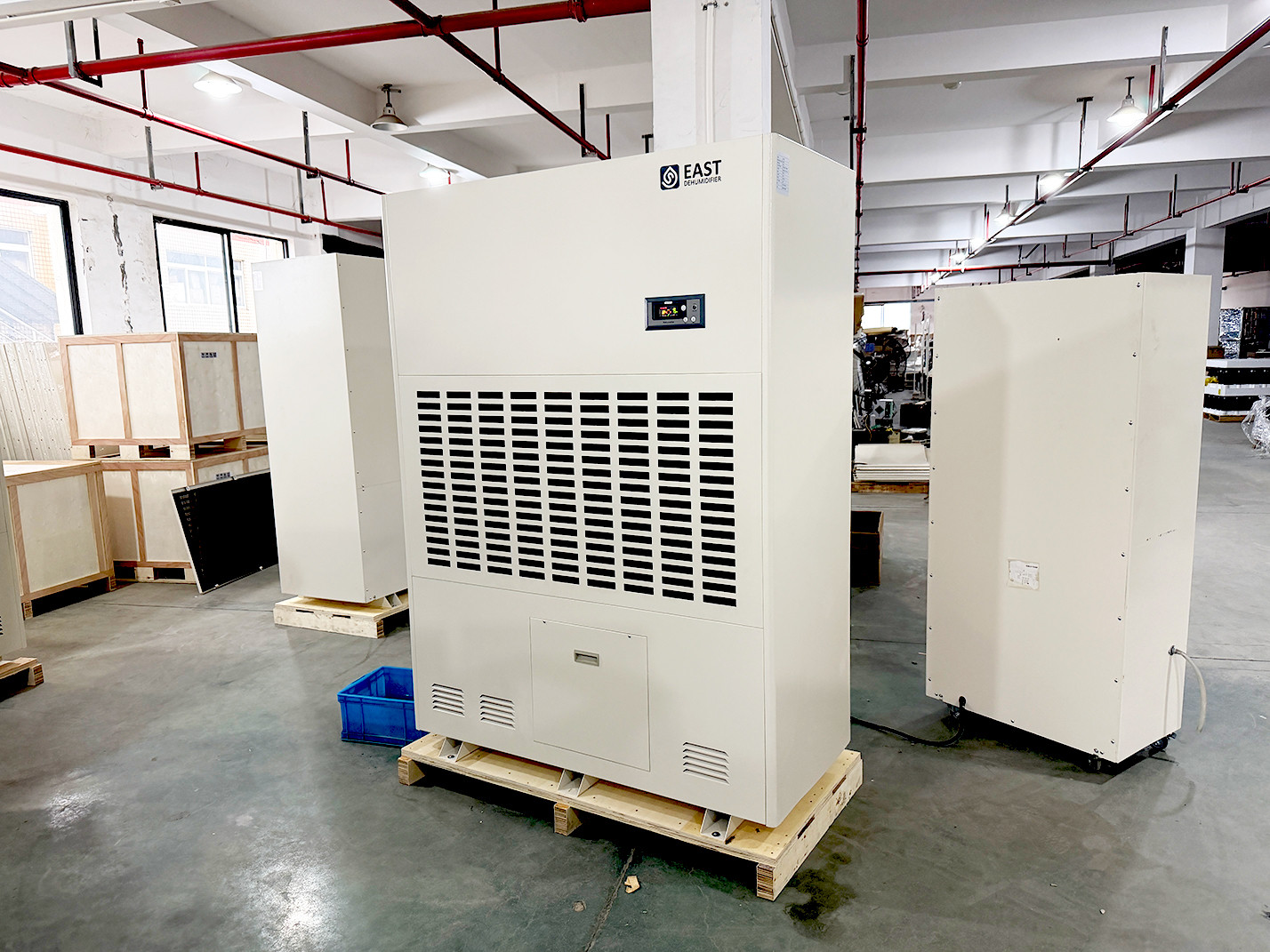
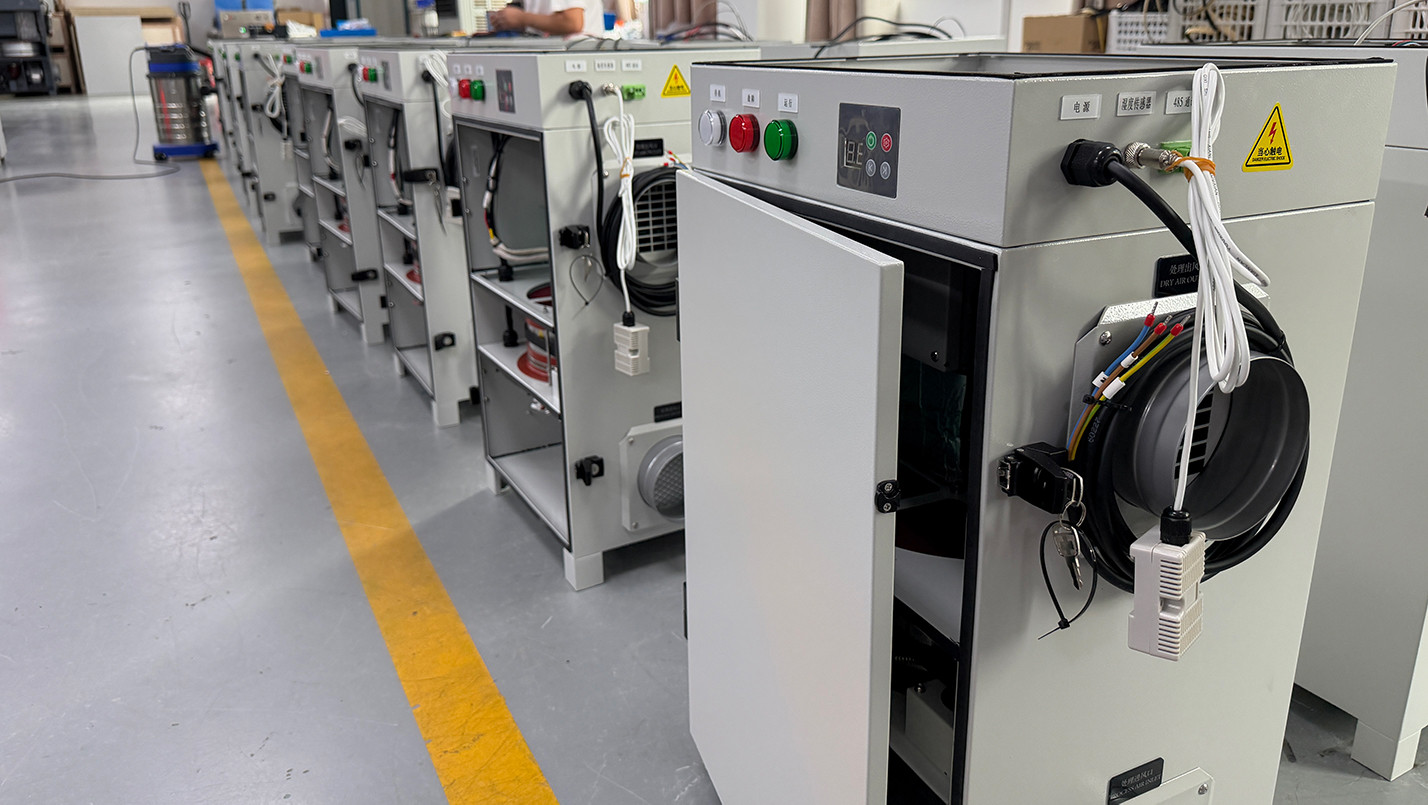
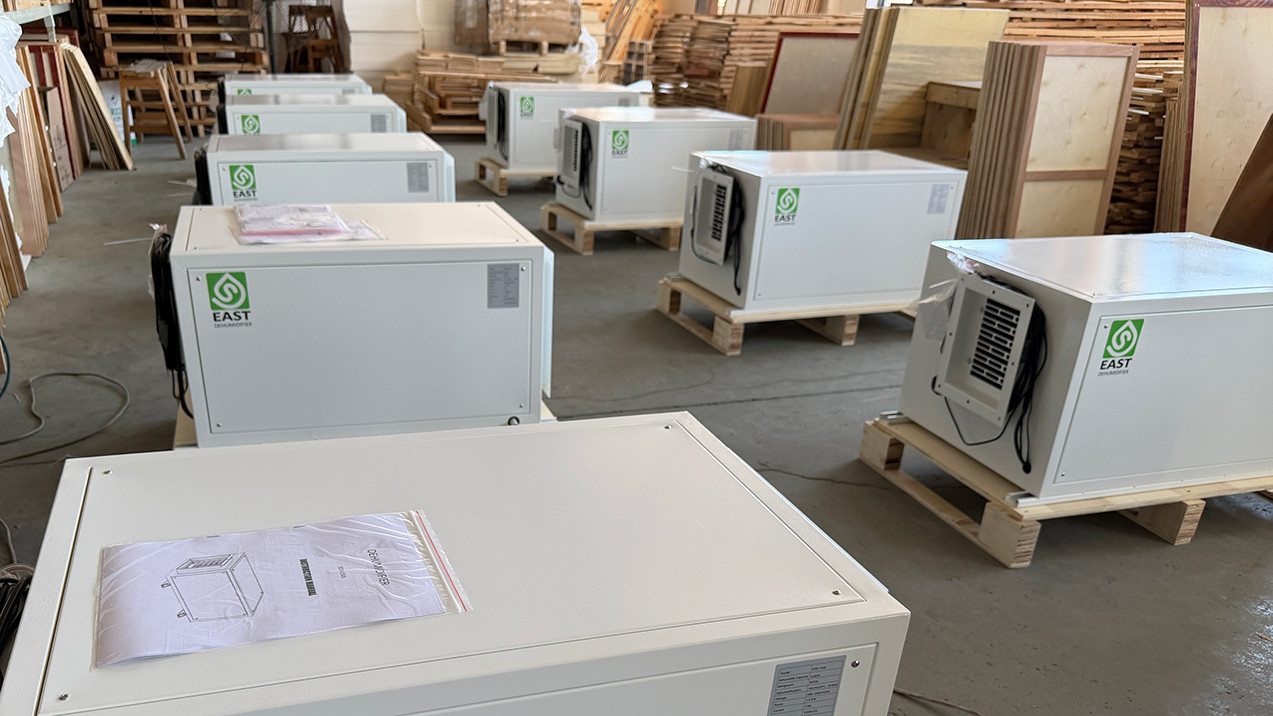
Look closely at almost any dehumidifier label — including units sold under some of the most trusted global names — and you will usually find the same sentence in the fine print: “Manufactured in China.” This is not a secret or an anomaly. It is the default structure of the entire industry. The global leaders themselves run factories there: Bry-Air, founded in New Jersey in 1964, today lists manufacturing and subsidiaries across China, Malaysia, Brazil, Nigeria, Switzerland and the United States, with more than 80 countries served. This guide unpacks how the OEM/ODM model actually works, what it costs, and how to protect yourself before you place an order. The words get used interchangeably, but they describe three different legal relationships — and the difference decides who owns the product, who pays for the tooling, and what happens if the partnership ends. OEM / ODM / private label compared. The single difference that drives everything else is who owns the product concept. In practice the lines blur: even a “simple” ODM order usually involves some OEM work — a modified component, a changed airflow path, or new packaging structure. Treat the three as positions on a spectrum, not a binary choice. A dehumidifier is a deceptive product: the principle is simple, but the build tolerances are not. A condensing unit is a refrigeration circuit — compressor, copper evaporator and condenser coils, aluminum fins, expansion device — plus a control PCB, humidity sensor, fan, drainage and a flame-retardant housing. A desiccant rotor unit swaps the coils for a desiccant wheel and a regeneration heater. The industry-quality references break production into roughly 28 process steps with six dedicated quality-control stations and seven inspection stations along the line. Three structural advantages concentrate this supply chain in China, and they are why the global brands build there rather than just buy there: The buyer who does no oversight gets exactly what they paid for — and sometimes less. The buyer who specifies properly gets a product that is indistinguishable in build from the big brands, because it comes off the same kind of line with the same kind of testing. The difference is written down, not magical. Know the ones that matter and verify them yourself. The core set for a global dehumidifier line: CE (covering the EU Low Voltage and EMC directives), UL 474 and CSA C22.2 No. 142 for North America, FCC Part 15 for electromagnetic compatibility, RoHS, ISO 9001, and energy rules like the EU’s ERP Lot 20. The stakes are concrete: one 2026 sourcing report attributes over 40% of rejected shipments in 2025 to non-compliant electrical components. Certification is what keeps your container out of customs purgatory. Two more numbers worth memorising before you trust a supplier list. The same report finds that 68% of failed dehumidifier orders traced back to misidentified suppliers — trading companies posing as factories. And private-label partnerships with Chinese manufacturers grew 22% year-on-year in 2025, meaning the good factories are busy and the trading companies are louder than ever. Verifying who you are actually talking to is step one, not step nine. Custom dehumidifier units on the production line — each one is factory-run and performance-checked against its rating before dispatch. Tooling is where most OEM relationships get confused — and where the most money hides. When you ask for a unique casing, a new fan shroud or a custom control panel, someone has to pay for the steel. Independent sourcing guidance puts a completely new plastic injection mold for a standard 50-pint residential dehumidifier at roughly US$15,000–25,000. That is the high end; simpler shell or component molds run much lower. Chinese mold specialists typically quote a dehumidifier shell mold at around US$10,000, against US$150,000–300,000 for the equivalent tool in industrialised countries — with a tool life commonly rated at 500,000 to 1,000,000 shots. Minor cosmetic customisation — a custom injection-molded colour or a special display — is far cheaper, with setup fees in the US$500–1,500 range. The rule is simple and frequently ignored: if you paid for the tooling, the contract must say the mold is yours. A written manufacturing agreement should separately document tooling ownership, so the steel cannot be used to run your product for a competitor after you leave. Two further protections matter in China specifically: Run every candidate through this before sending a deposit. Most of it can be answered from documents and a video walkthrough; nothing on it should be left to a sales promise. A ten-point vetting checklist. Items are drawn from multiple China-sourcing due-diligence guides and dehumidifier-specific sourcing reports. The unit price is the start of the quote, not the end. These are the line items that surprise first-time buyers, with the ranges the sourcing literature gives for each. Hidden-cost drivers and the ranges reported by private-label dehumidifier pricing guides. The big picture is why the model persists despite these costs. Factory-direct private labeling typically cuts unit cost by 30–40% versus buying through domestic distributors or trading companies — and that margin is what funds a brand’s marketing, packaging and warranty reserve. One independent 2026 teardown of a 20 L/day desiccant unit breaks the ex-works cost down to roughly US$38.50 materials, US$6.20 labour, US$3.80 packaging and US$4.50 factory overhead — about US$53 before markup, tooling and certifications. It is an estimate, not a universal price, but the shape of it is what every brand is buying. Inside the factory floor — the same brazing, charging and testing stations a global brand would audit. Do not open with a 1,000-unit order. The de-risked path is a sequence, and each step gives you a cheap exit. On the MOQ question: a genuine OEM/ODM factory can usually start at a single unit or a small trial run, because the fixed cost sits in tooling and setup, not in a minimum batch. That is the lever that lets a distributor test a market before committing capital. For the full picture of how our customisation and private-label service works — from spec to sample to first container — see our customized service page and the EAST product FAQ. A finished unit — the endpoint of an OEM/ODM project, built to the buyer’s spec and brand.1. OEM vs ODM vs Private Label: Clear Definitions
Factor OEM ODM Private label (on ODM) Design ownership You (buyer) Factory Factory owns base; you own the logo Customization Full — any spec Limited to what tooling allows Colour, logo, packaging Upfront cost Higher (design, tooling, prototypes) Lower (design exists) Lowest (shared design) Time to market Months Weeks to a few months Fastest MOQ tendency Often higher Often lower / flexible Lowest Exclusivity Yours by design Shared unless contracted Shared unless contracted Best for Established brands, differentiation Speed, testing a category First entry, market validation 2. The Dehumidifier Supply Chain, Mapped
Why the geography matters
3. How Quality Is Held Without Owning the Factory
The tests that separate a real factory from a badge
Certifications are market access, not decoration
4. Tooling, Molds and Who Owns the IP
What molds actually cost
Who owns the mold — and who owns the design
5. 10-Point Checklist for Vetting a Contract Manufacturer
# What to check Red flag if… 1 Business licence and export history No verifiable licence, or no export record in your category 2 Factory vs trading company They cannot show a live video walkthrough of the line 3 Relevant production history No similar dehumidifier case studies or samples 4 Quality system No ISO 9001, or testing is sampled rather than 100% 5 Certifications They claim CE/UL but cannot produce the DoC or test reports 6 Tooling ownership terms Refuses to write mold ownership into the contract 7 IP clauses Won’t sign an NNN / manufacturing agreement 8 Golden sample policy Unwilling to lock an approved sample before mass production 9 Inspection access Blocks third-party pre-shipment inspection 10 Payment path Payment must go to a personal or mismatched account 6. Costs You Didn't Expect
Cost driver Typical range Why it matters Tooling / mold setup US$500–1,500 (cosmetic) up to US$15,000–25,000 (new 50-pint mold) One-off, but decides exclusivity Refrigerant change (e.g. R410A → R32) ±3–5% unit cost Different copper pressure rating Smart / Wi-Fi module US$3–6 per unit Adds app control, needs firmware Custom colour / display US$500–1,500 setup Cheap differentiation Certification filing Varies by market Decide who files and who pays Payment terms 30% deposit / 70% before shipment; L/C adds ~1–2% L/C suits larger orders but costs 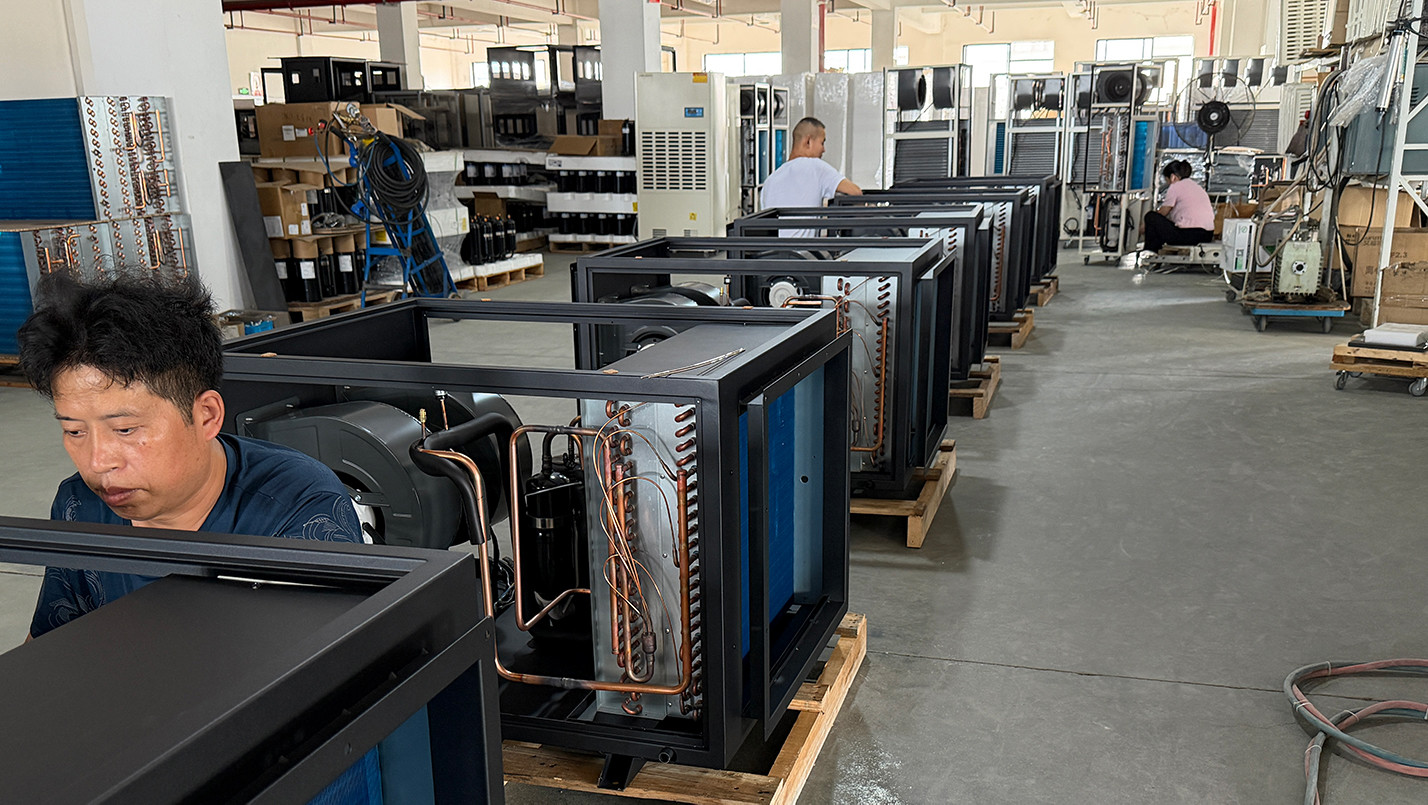
7. How to Start Your First Project
The sequence
8. FAQ