Condensing vs desiccant dehumidifier: which one do I need for my warehouse?
- Share
- Issue Time
- Sep 7,2026
Choose a condensing dehumidifier if your warehouse stays above about 15 °C and you only need to hold 45–60% RH — it costs less to buy and roughly half as much to run. Choose a desiccant rotor dehumidifier if you need below 40% RH, if the space runs below 10 °C, or if your spec is written as a dew point rather than a relative-humidity figure.
The decision in one table
| Your condition | Choose | Why |
|---|---|---|
| 15–35 °C, target 45–65% RH | Condensing | Lowest cost per litre of water removed |
| Below 10 °C (cold store, freezer antechamber) | Desiccant rotor | Condensing coils ice up and stop draining |
| Target below 40% RH | Desiccant rotor | Condensing loses capacity fast below this level |
| Spec written as dew point below +5 °C | Desiccant rotor | A coil cannot practically go below +5 °C dew point |
| Lithium battery dry room, pharma coating, confectionery | Desiccant rotor | Requires 1–10% RH, far past condensing range |
| General storage, cartons, textiles, electronics at room temperature | Condensing | Meets target at the lowest lifecycle cost |
Engineering note: relative humidity alone can mislead. If room temperature swings across the day, the same absolute moisture content shows a very different RH reading. Where temperature is unstable, specify by dew point — it is the more robust control variable.
What each technology actually costs to run
Condensing machines move heat with a compressor, which is inherently efficient: published industry figures put them at roughly 1.6–2.6 litres of water removed per kilowatt-hour at 30 °C / 80% RH.
Desiccant rotors must heat a regeneration air stream, typically to 120–150 °C, to drive the captured moisture back out of the wheel. That thermal penalty is why they land near 0.6–1.0 L/kWh — often around half the water per unit of energy.
In warm, humid conditions that gap makes condensing the clear winner. But the comparison flips when the target is deep dryness or low temperature, where a condensing machine simply cannot reach the setpoint at any energy cost.
Representative project configuration
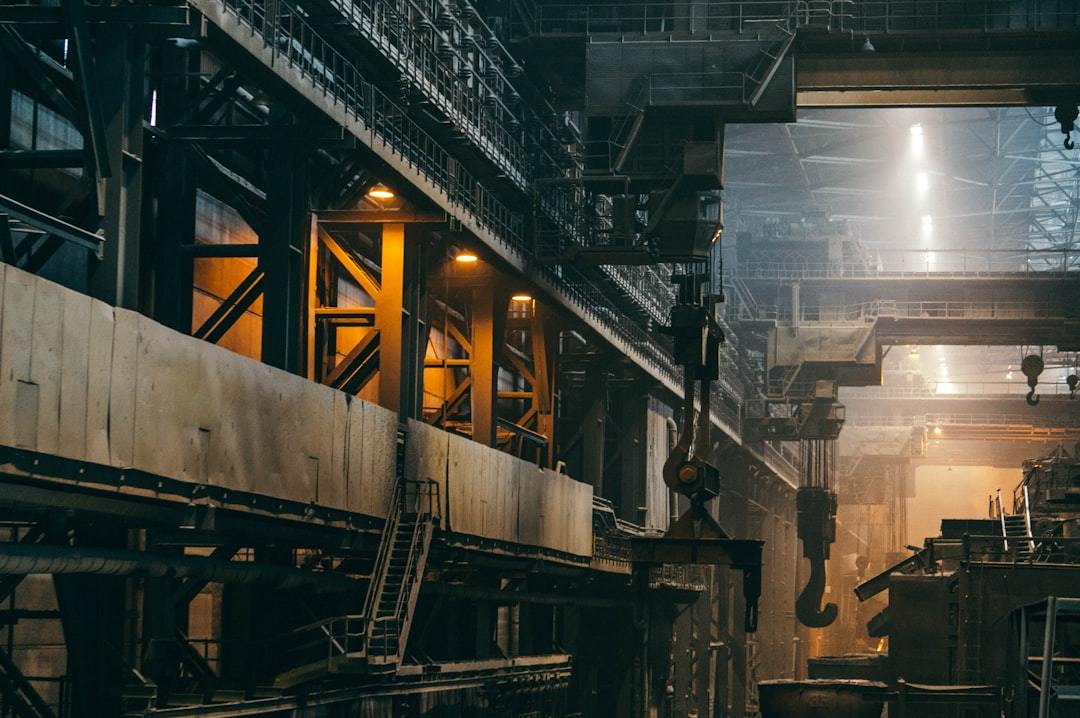
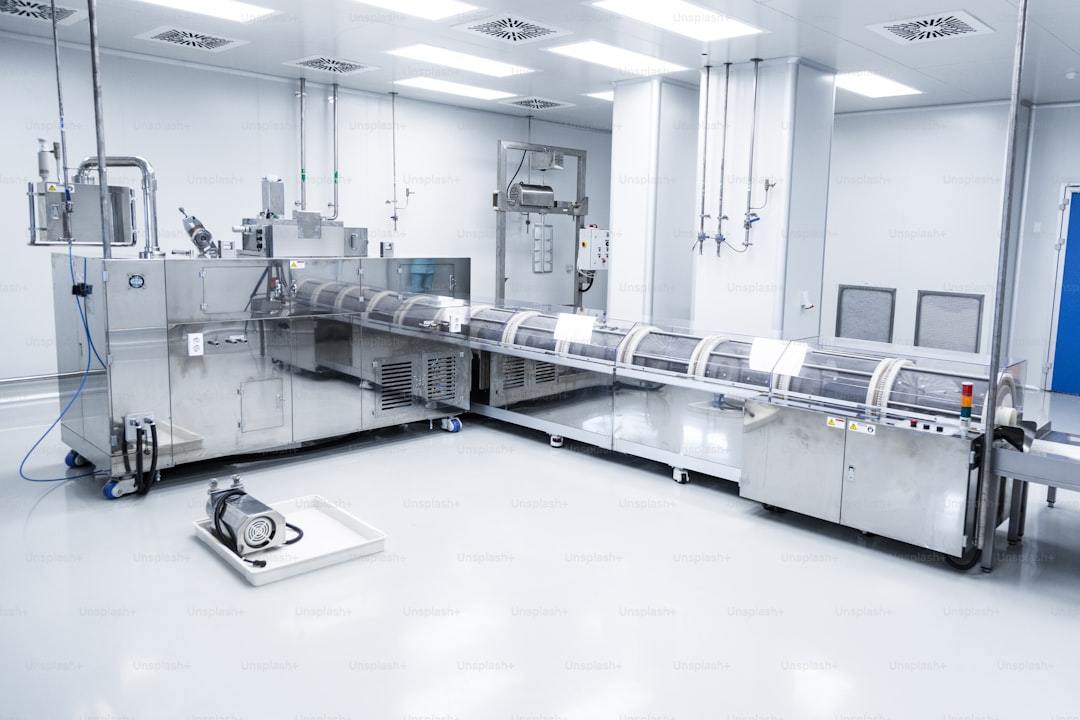
A distribution site operated two halls side by side. Hall A stored cartons and needed 55% RH at ambient temperature. Hall B held hygroscopic pharmaceutical raw material and was specified at 20% RH with a 5 °C dew point.
Specifying each hall on its actual target instead of one site-wide technology saved the operator from buying desiccant capacity it did not need in Hall A, while still meeting the far tighter requirement in Hall B.
Selection data at a glance
| Parameter | Condensing | Desiccant rotor |
|---|---|---|
| Effective temperature range | 15–35 °C | −20 to +50 °C |
| Lowest achievable RH | About 35–40% | Below 1% |
| Lowest achievable dew point | About +5 °C | −40 to −60 °C |
| Typical control band | ±10% RH | ±2–3% RH |
| Energy per litre removed | Lower in warm, humid air | Higher, but the only option in its range |
Related questions
Not sure which technology your target needs?
Share your temperature, target RH or dew point, and East Dehumidifier will confirm the right technology before you buy.