How do I choose the right floor standing dehumidifier capacity for my space?
- Share
- Issue Time
- Sep 7,2026
Size a floor standing dehumidifier on real removal capacity, not the nameplate figure. Work out the moisture load from room volume, the humidity change you need and the infiltration from doors and people, then divide by 0.6–0.7 to convert that real requirement into the nameplate capacity you should buy.
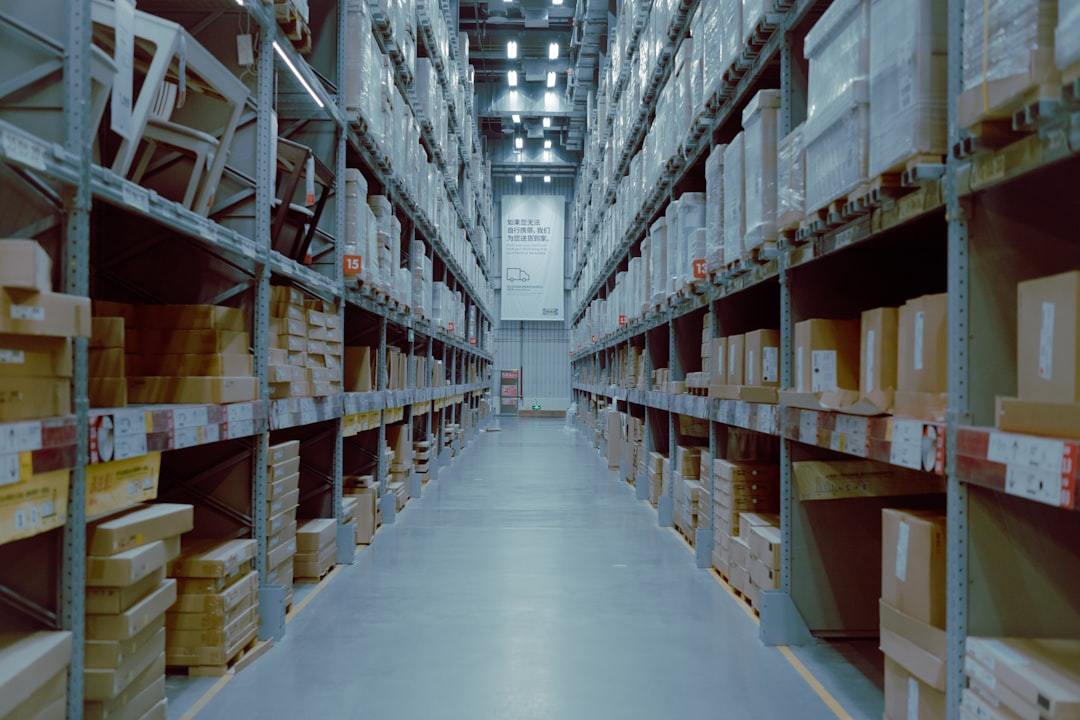
Capacity bands by floor area
| Floor area (4–6 m ceiling) | Real capacity needed | Nameplate to buy | Typical configuration |
|---|---|---|---|
| Up to 200 m² | 70–100 L/day | 120–150 L/day | 1 unit |
| 200–400 m² | 100–200 L/day | 150–300 L/day | 1–2 units |
| 400–800 m² | 200–350 L/day | 300–500 L/day | 2–3 units |
| 800–1,500 m² | 350–600 L/day | 500–900 L/day | 3–4 units |
| Over 1,500 m² | Project-specific | Project-specific | Ducted or zoned system |
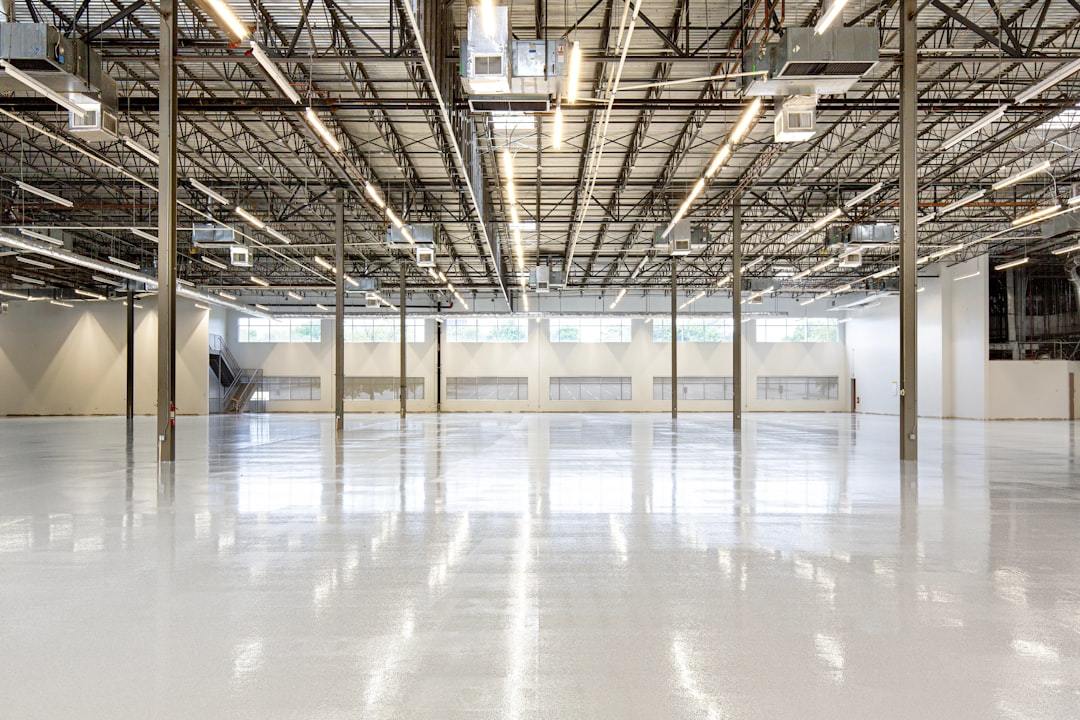
Ceiling height correction: capacity tables assume a 2.6–3 m ceiling. For every metre above that, add roughly 25–35% to the volume-based figure. A 500 m² hall with a 6 m ceiling should be sized closer to 900 m² of nominal area.
Three adjustments people forget
Low target humidity
The lower the setpoint, the harder the machine works. Below 45% RH, check the performance curve — capacity can fall well below the rating.
Door traffic and infiltration
More than 20 door openings a day means adding 30–50%. Airlocks, strip curtains or air curtains reduce this load at source.
Wet processes and occupancy
Open water, wet floors, plant transpiration and people all add load. Each occupant contributes roughly 50–80 g/h of moisture.
Why oversizing is also a mistake
A unit that is far too large hits its setpoint quickly and short-cycles. That raises peak electrical demand, wears the compressor faster, and leaves humidity unevenly distributed because the fan never runs long enough to mix the room air.
The practical target is a machine that runs long, steady cycles at the design condition, with enough reserve to recover after door openings. Where the load varies a lot through the day, two smaller units on independent humidistats will track the load far better than one large one.
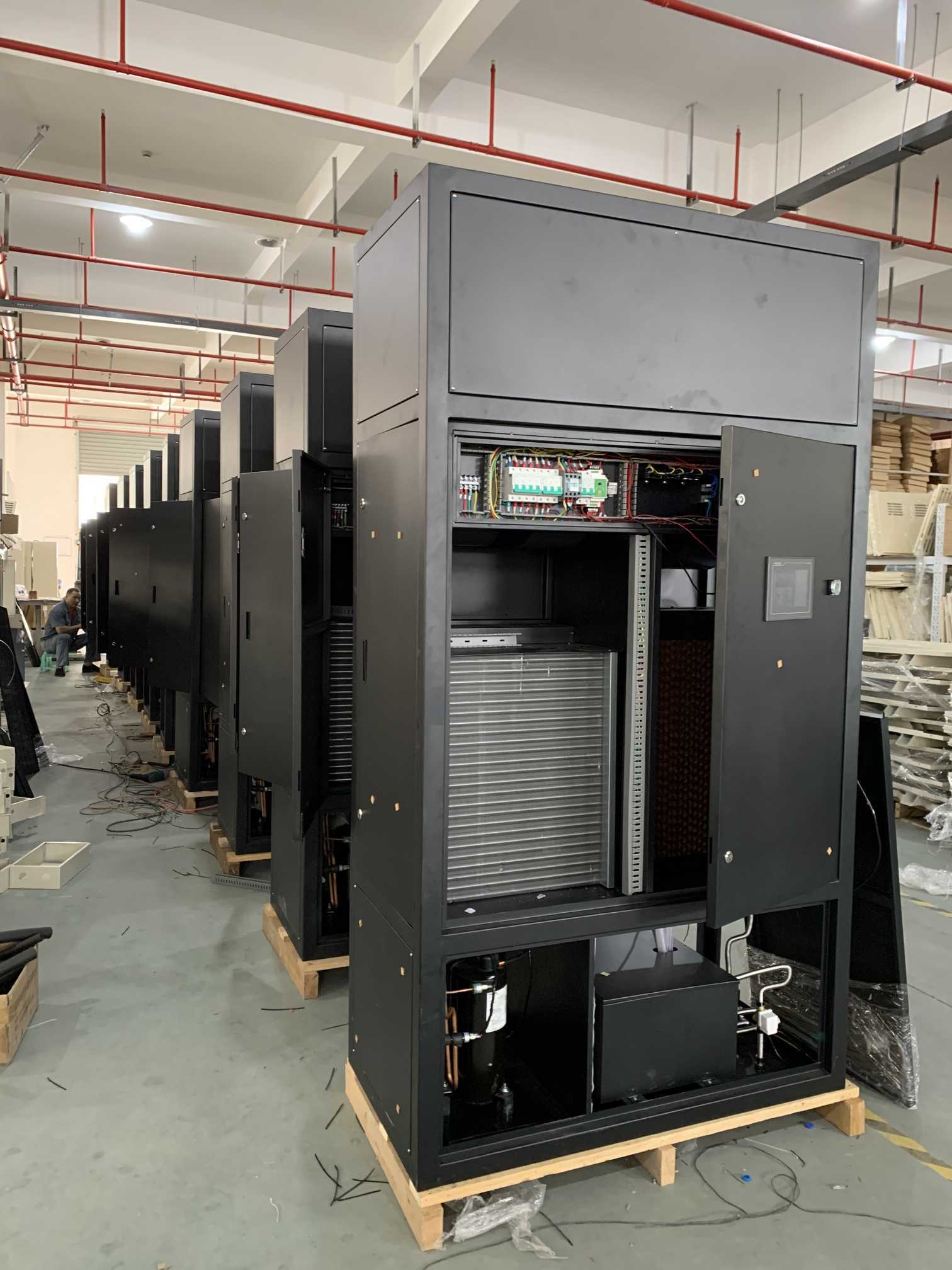
Representative project configuration
The space between a frozen store and the loading dock suffered constant floor icing. Nominal area was 400 m², but the 7 m ceiling and continuous dock traffic pushed the real requirement far higher.
An air curtain was added at the dock door at the same time, which cut the infiltration load and let all three units hold the target without running continuously.
Related questions
Want your capacity confirmed?
Send area, ceiling height, current and target RH, door traffic and any wet processes. East Dehumidifier returns a sized configuration.