What is a hand push dehumidifier and where is it typically used?
- Share
- Issue Time
- Sep 10,2026
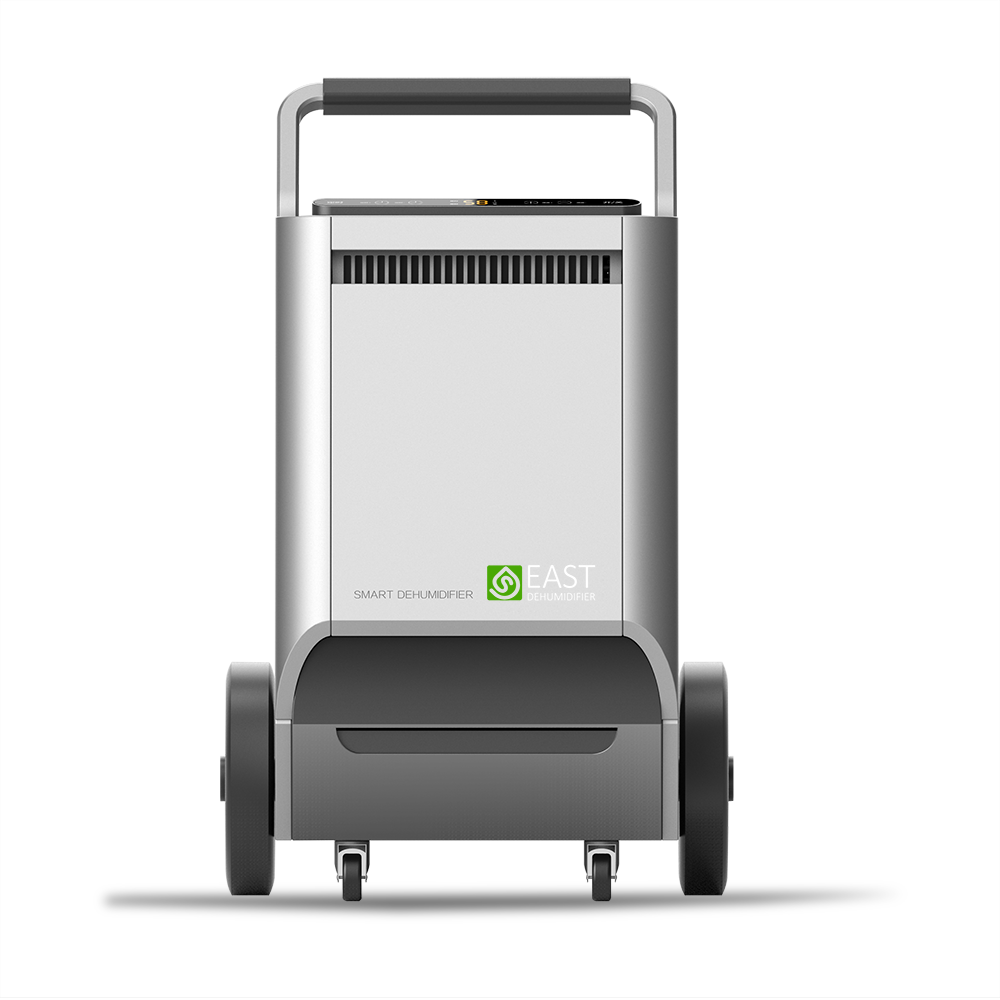
A hand push dehumidifier is a self-contained condensing unit built into a wheeled trolley chassis, so one person can move it between rooms or sites without tools. Typical industrial units remove 60–360 litres per day at 30 °C / 80% RH, move 500–1,200 m³/h of air and weigh 35–160 kg. It is used wherever the moisture problem moves: construction drying, flood restoration, temporary storage and ship holds.
Where hand push units are typically used
Construction drying
Screed, plaster and paint all release water. A wheeled unit follows the trades floor by floor instead of waiting for a permanent plant room.
Water damage restoration
After a leak or flood the priority is hours, not weeks. Units are rolled in, drained to a hose and moved on when the building is dry.
Temporary storage zones
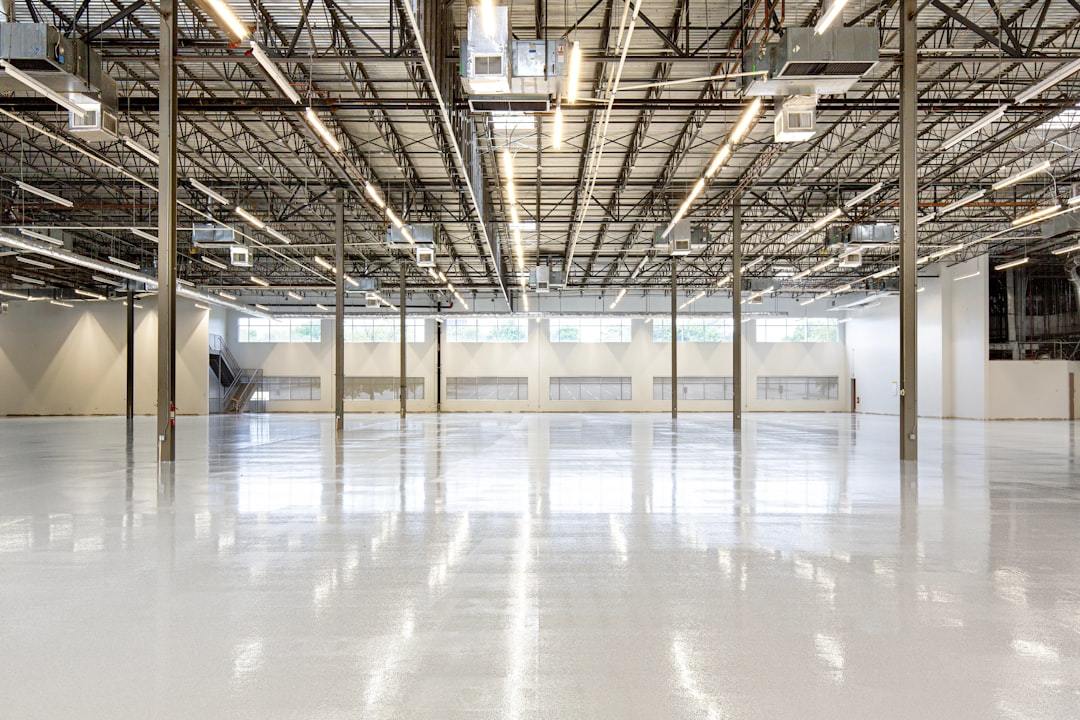
A warehouse that only needs dehumidification during the wet season, or a single bay holding hygroscopic goods, does not justify a fixed installation.
Confined and mobile spaces
Ship holds, containers, basements and plant rooms where nothing can be permanently mounted and access is through a single door.
What makes a unit genuinely portable
Portability is more than wheels. The useful checks are doorway width, handle height, whether the condensate can leave by hose rather than a tank that needs emptying every few hours, and whether the power cord reaches a socket without an extension lead on an industrial site.
Weight is the hard limit. Units up to about 60 kg can be handled by one person across a flat slab. Above roughly 100 kg you want two people, a ramp or a lift, and the trolley wheels need to be large enough to cross expansion joints and cable runs. A 14-litre internal tank adds convenience but must be emptied; continuous drainage through a hose is standard on industrial sizes.
Where the concept stops working
Hand push units are condensing machines, so they share the same temperature limit as every refrigerant dehumidifier: below about 15 °C capacity falls away and below 5 °C the coil ices. Unheated cold stores and freezer vestibules need a desiccant rotor machine. They also cannot be ducted into several rooms from one location, so a multi-zone permanent requirement still points to a fixed system.
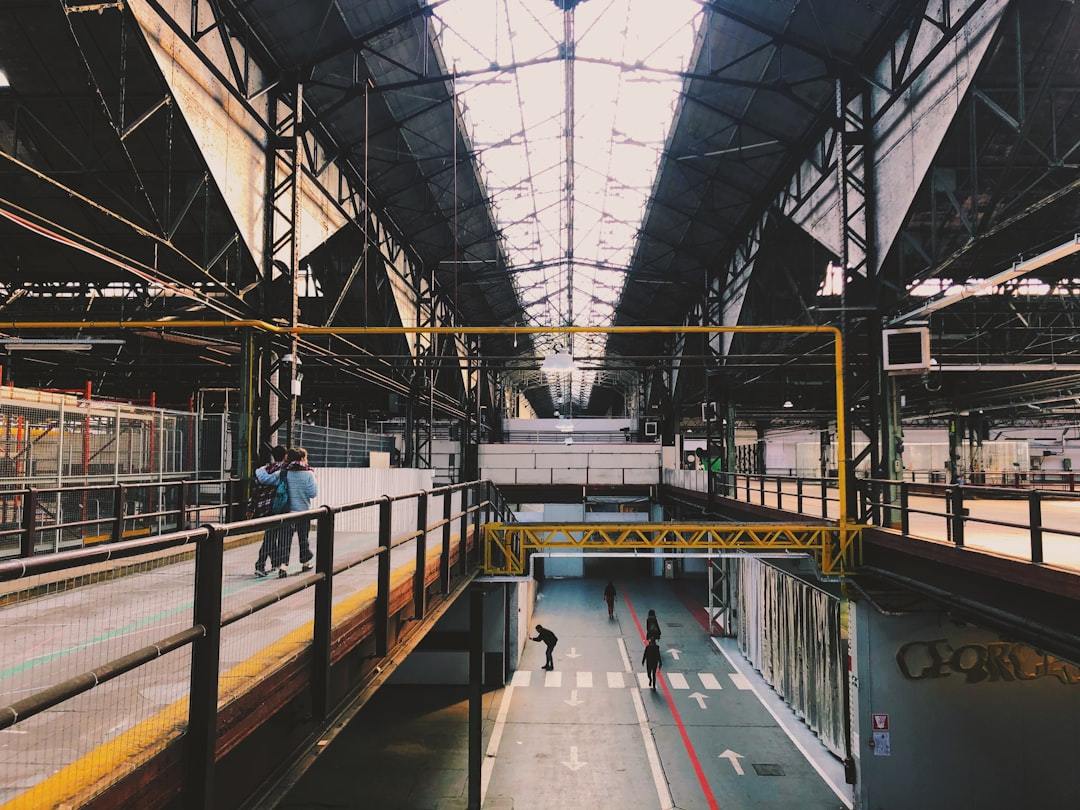
Representative project configuration
A commercial fit-out needed plaster and screed dried before floor covering. Conditions started at 82% RH with poor ventilation and a fixed plant was not scheduled for another two months.
Each unit drained through a 12 mm hose to a riser, ran on a 24-hour timer and was moved when its zone reached target. Drying time varies with screed depth, ventilation and outside weather; the programme figure is not a guarantee.
Typical specification band
| Parameter | Small | Mid | Large |
|---|---|---|---|
| Capacity at 30 °C / 80% RH | 60 L/day | 90–150 L/day | 240–360 L/day |
| Net weight | 35–38 kg | 46–60 kg | 150–160 kg |
| Airflow | 500 m³/h | 800–1,200 m³/h | 1,600–2,400 m³/h |
| Power input | 0.7–0.8 kW | 1.2–1.7 kW | 2.6–5.5 kW |
| Working temperature | 5–38 °C | 5–38 °C | 5–38 °C |
| Sound level at 1 m | Typically up to 60 dB(A) across the range | ||
Sizing note: the litres-per-day figure is a 30 °C / 80% RH test point. At 20 °C / 60% RH the same machine delivers roughly 40–60% of that number, so size from the real operating point. East Dehumidifier rates hand push models at the condition you actually run, not only at the catalogue point.
Related questions
Need mobile drying capacity for a site?
Tell us the zone volume, starting RH and available power. East Dehumidifier will size a hand push configuration and drainage method.