Hand push dehumidifier vs fixed installation: which is more cost-effective?
- Share
- Issue Time
- Sep 10,2026
For a permanent, year-round requirement a fixed installation is cheaper per litre of water removed and per square metre covered. For a temporary, seasonal or multi-site need, hand push units win on capital and flexibility. The crossover sits at roughly 18–30 months of continuous duty: shorter than that and mobile units usually cost less in total.
The four dimensions that decide it
Initial outlay
Hand push units arrive ready to run. Fixed systems add ductwork, drainage, electrical work and usually 15–25% on top of the equipment price for installation.
Cost per litre removed
Fixed, ducted machines run at higher efficiency because they are sized properly and avoid short-cycling. Portable fleets often end up as several small compressors doing one large job.
Flexibility
A mobile unit can be redeployed, resold or rented out. A ducted system is a fixture of the building and leaves with the lease.
Service life and downtime
Both technologies last around 5–10 years with maintenance. Fixed systems fail less often because they run at a steadier load and sit in a plant room rather than on a wet floor.
Reading total cost properly
Comparing purchase prices is the usual mistake. A refrigerant unit drawing 2.5 kW and running continuously consumes about 22,000 kWh a year; at commercial tariffs the electricity bill passes the purchase price within two to three years. Efficiency, duty cycle and how well the building is sealed matter more than the invoice.
The second hidden line is moisture load. Every open dock door, every wet process and every person adds load. If infiltration is not fixed first, both options get bigger and more expensive, and the payback arithmetic moves against the fixed system.
Where the simple answer breaks
Fixed is not automatically correct. A 200 m² space you may vacate next year does not justify ductwork. Sites below 5 °C rule out condensing technology entirely, fixed or mobile. And where downtime is unacceptable, a fixed installation with a mobile unit held as backup is often the real answer rather than either one alone.
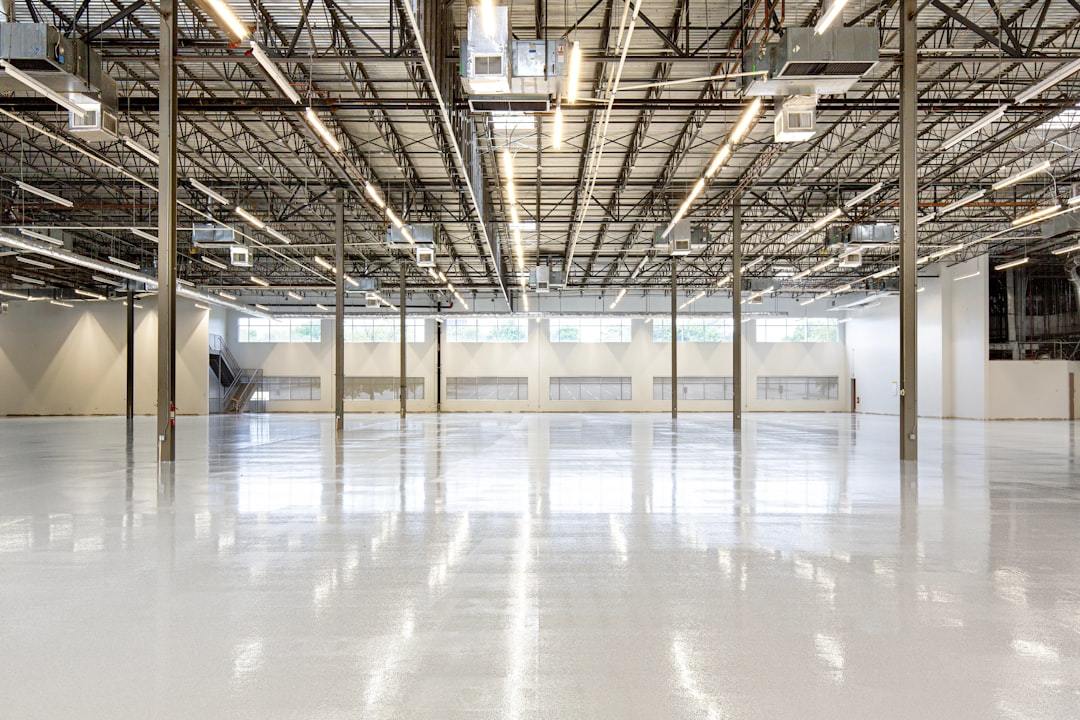
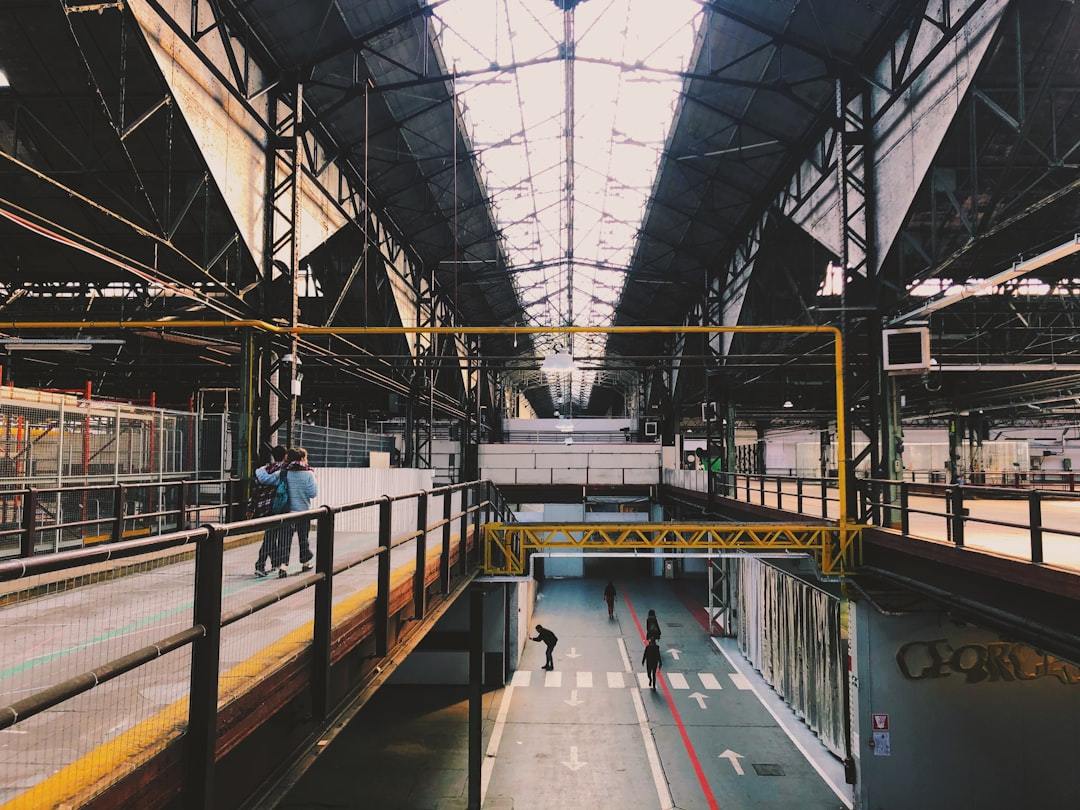
Representative project configuration
A leased warehouse was losing carton strength during the wet season. The operator planned to stay at least three years but not to modify the building, so a ducted installation was ruled out by the lease terms.
Units were zoned four per aisle, drained to a temporary header and set to a 55% RH setpoint with a 5% dead-band. The comparison assumed a three-year horizon; on a ten-year horizon the ducted option would have won on running cost.
Five-year comparison
| Factor | Hand push fleet | Fixed ducted system |
|---|---|---|
| Indicative capital (60–100 L/day class) | USD 3,000–6,500 per unit | USD 16,000–28,000 for 400–600 L/day class |
| Installation | None | 15–25% of equipment cost |
| Coverage | 50–300 m² per unit | 500–5,000 m² per system |
| Typical efficiency | 2.5–3.5 L/kWh | 3.5–4.5 L/kWh |
| Noise in the workspace | Moderate to high | Low, unit is remote |
| Redeploy or resell | Yes | No |
| Break-even horizon | Better under ~18 months | Better beyond ~30 months |
How to decide: ask first whether the requirement is permanent. If yes and the horizon exceeds about 30 months, fixed wins on operating cost. If the need is seasonal, the site is leased, or the load moves, hand push units win on capital and on risk. East Dehumidifier supplies both and will quote the comparison against your actual duty cycle.
Related questions
Want the comparison run on your numbers?
Send area, ceiling height, target RH, operating temperature and expected duty. East Dehumidifier returns a cost-per-litre comparison for both options.