What is a desiccant rotor dehumidifier and when is it required?
- Share
- Issue Time
- Sep 10,2026
A desiccant rotor dehumidifier dries air by adsorption rather than condensation. Process air passes through a slowly rotating wheel coated with silica gel or zeolite, which holds the water vapour; a separate heated stream regenerates the wheel and carries the moisture outside. It is required when the target is below roughly 45–50% RH, when the space runs below about 5 °C, or when a dew point under 0 °C is specified.
How the rotor cycle works
Adsorption
Humid process air passes through roughly three quarters of the wheel. Water vapour is held on the surface of the desiccant by surface chemistry, not by cooling.
Regeneration
A heated counter-flow stream, typically 110–150 °C, passes through the remaining sector and drives the moisture back out.
Exhaust
The warm, wet regeneration air is ducted outside. That duct has to be insulated and drained, or it will condense inside the building.
Continuous rotation
Because the wheel turns constantly, drying never stops for a defrost cycle, which is exactly what a condensing machine cannot do.
The three triggers that make it necessary
Low humidity. A refrigerant coil can only cool air so far before it ices, which puts a practical floor around 45–50% RH. Anything below that needs adsorption. Low temperature. Cold air holds very little water, so a condensing unit has almost nothing to remove and spends its time defrosting; desiccant performance is essentially independent of ambient temperature. Low dew point. Any specification below 0 °C dew point is out of reach for condensation and routine for a rotor.
Industry guidance puts desiccant energy use in the range of 1.0–3.0 kWh per kilogram of water removed, against roughly 0.5–1.5 kWh/kg for condensing plant. So the trigger has to be real: do not pay for a rotor to hold 55% RH in a warm warehouse.
Where the rotor is the wrong answer
For ordinary warm, humid duties the rotor is simply more expensive to run, and it needs a regeneration exhaust duct that a condensing unit does not. The discharge air also leaves warmer than it entered, which is useful in a cold store and a nuisance in a heat-sensitive room. Sizing is far more sensitive to inlet conditions, so rules of thumb that work for condensing plant give wrong answers here.
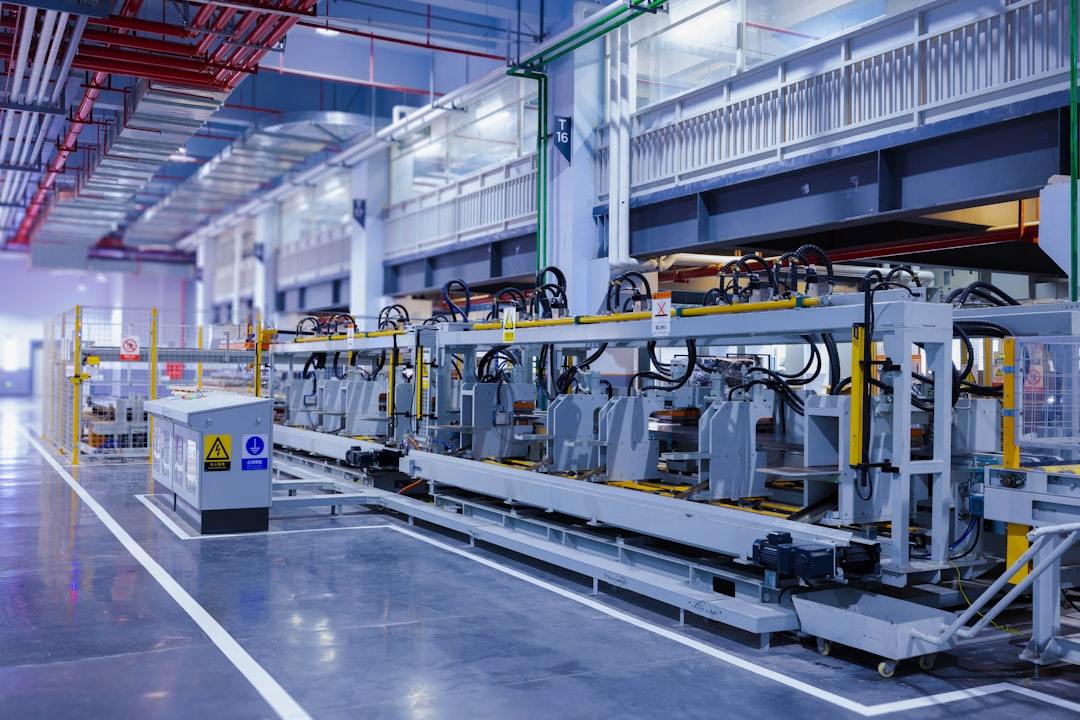
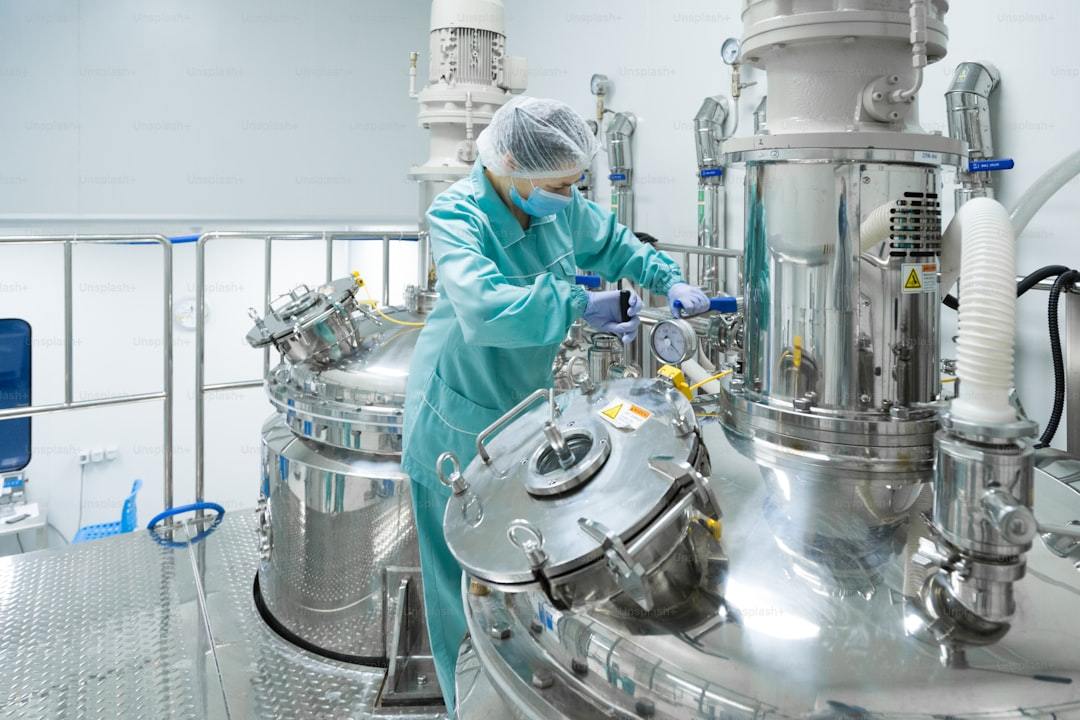
Representative project configuration
A blister-packing line was rejecting batches because hygroscopic product absorbed moisture during the hold before sealing. The existing condensing plant could not get below about 42% RH and drifted badly with the seasons.
Regeneration air was taken from outside, exhausted through an insulated duct, and part of the exhaust heat was recovered to pre-heat the incoming regeneration stream. Results depend on envelope sealing and door discipline; figures are configuration-based.
Selection data
| Parameter | Condensing | Desiccant rotor |
|---|---|---|
| Energy per kg removed | About 0.5–1.5 kWh | About 1.0–3.0 kWh |
| Practical RH floor | Around 45–50% RH | 1–10% RH achievable |
| Lowest useful dew point | About +5 °C | −40 °C single, to −70 °C staged |
| Ambient range | Roughly 15–35 °C | −30 to +40 °C |
| Control tolerance | Looser, cycling based | About ±2% RH |
| Exhaust requirements | Condensate drain only | Insulated regeneration duct |
Sizing warning: rotor capacity moves sharply with inlet temperature, inlet RH, target dew point and airflow. Never size a rotor from litres-per-day-per-cubic-metre rules; size it from the process condition. East Dehumidifier runs rotor selection against the actual duty point for every enquiry.
Related questions
Is a rotor the right call for your process?
Send inlet temperature and RH, target dew point, airflow and moisture sources. East Dehumidifier will confirm whether condensing plant can do it first.