What is a hybrid desiccant dehumidifier unit?
- Share
- Issue Time
- Sep 14,2026
A hybrid desiccant dehumidifier unit couples two drying technologies in one machine: a refrigeration circuit first, then a desiccant rotor. The evaporator cools the air and condenses out the bulk of the water; the rotor then adsorbs what is left and pulls the dew point far below anything a coil can reach. The result is high capacity on humid inlet air at 20–30% less energy than a rotor-only machine.
Inside the casing
Evaporator
Incoming air is cooled below its dew point. Water condenses on the fins and leaves through a drain; on a 30 °C / 70% RH summer design day that alone takes the air from about 19 g/kg to roughly 7.6 g/kg at 10 °C.
Condenser or recovery coil
The heat rejected by the refrigeration circuit is recovered rather than wasted — either to reheat the process air or, better, to pre-heat the reactivation stream.
Rotor process sector
The cold, still-damp air passes through the wheel, which takes it from about 7.6 g/kg down to 0.1 g/kg or lower, corresponding to a −40 °C dew point.
Reactivation sector
A heated counter-flow stream, typically 100–140 °C, strips the rotor. Because the coil already removed most of the water, this heater is smaller and runs less than on an equivalent single unit.
Why the order matters
Put the coil first and each technology works in the region where it is cheapest. Refrigeration is very efficient while the air is wet — it is essentially free to condense water out of saturated air — and it also strips the sensible heat that would otherwise blunt the rotor's adsorption capacity.
Sorption is expensive per kilogram but keeps working when there is almost no water left, at temperatures where a coil would simply ice up. Reversing the order, or using the rotor alone, means paying heater energy to remove water that a compressor could have condensed for a fraction of the cost.
The limits worth knowing
A hybrid is not a universal upgrade. It costs 15–25% more, it needs a condensate drain and refrigerant service, and on dry inlet air or small airflows the coil has nothing useful to do — in those duties the extra capital never comes back. The wet coil is also a hygiene surface: in pharmaceutical or food duties it needs the same cleaning regime as any other wet air-handling component, and the machine is not sterile by default.
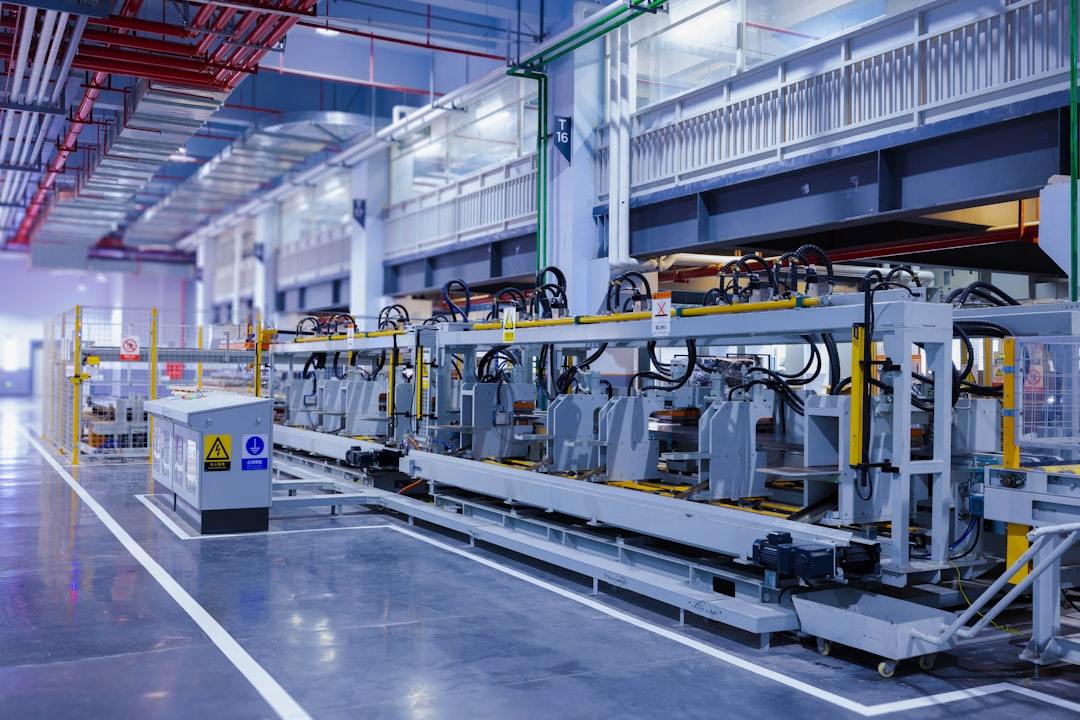
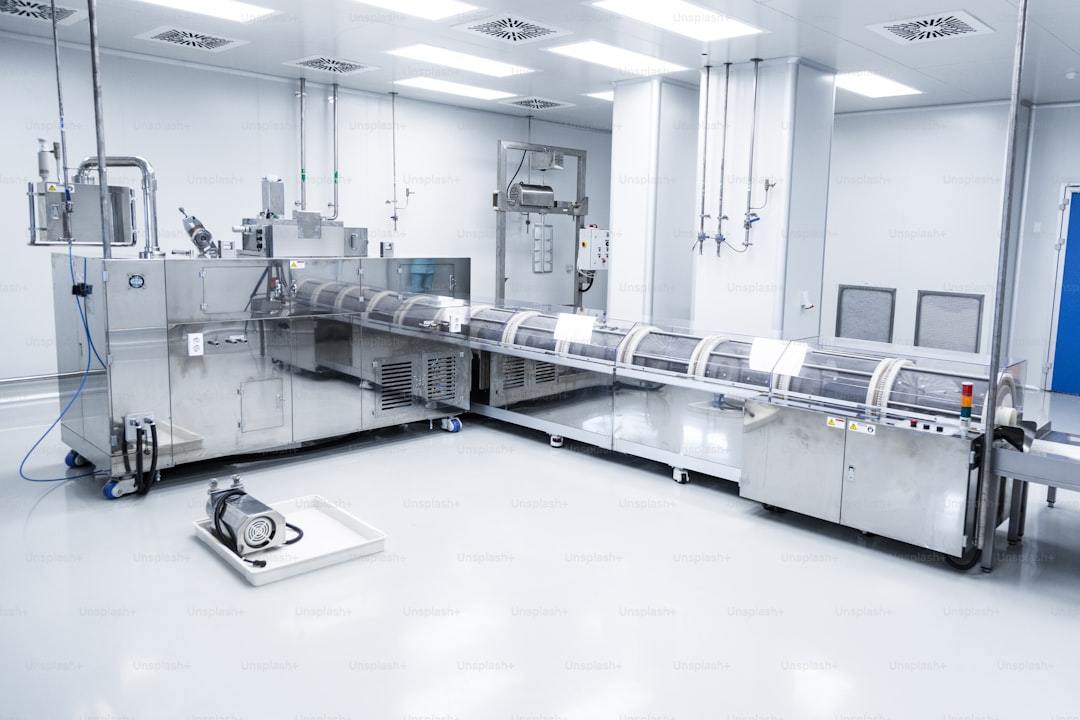
Representative project configuration
A starch moulding line needed 35% RH at 24 °C with a high fresh-air fraction to satisfy ventilation rules, on a site with hot humid summers.
East Dehumidifier sized the coil on the design day rather than the seasonal average and ducted the reactivation exhaust to the outside. The condensate line was trapped and insulated — the single most common commissioning fault on hybrid plant. Figures are configuration-based.
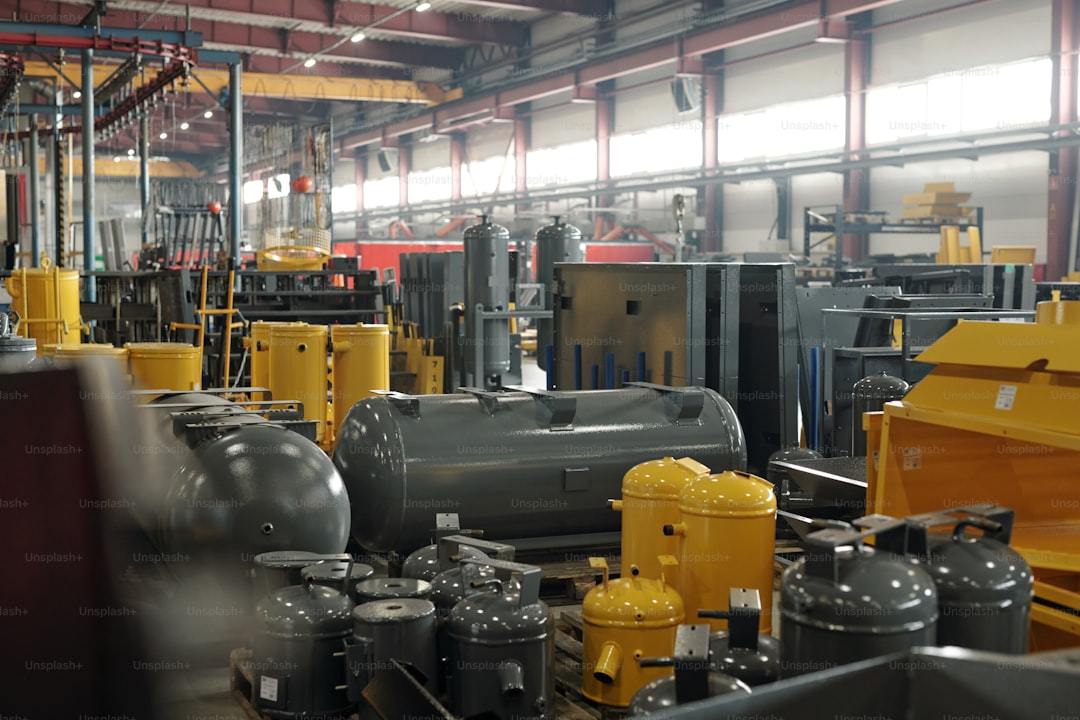
Where the water goes on a summer design day
| State point | Temperature | Humidity ratio | Water removed so far |
|---|---|---|---|
| Inlet, summer design | 30 °C | 19.0 g/kg | — |
| After the evaporator | 10 °C | 7.6 g/kg | 11.4 g/kg ≈ 60% |
| After the rotor | 22–28 °C | 0.1 g/kg | 18.9 g/kg ≈ 99.5% |
| Equivalent dew point | −40 °C | 0.08 g/kg | Target reached |
Design note: the split between the two stages moves with the weather. In winter the coil does less and the rotor does more, so size the reactivation heater for the winter case and the coil for the summer case.
Related questions
Considering a hybrid unit?
Send air flow, inlet design condition, target dew point and running hours. East Dehumidifier will return the stage-by-stage duty split and the energy comparison.