Why do battery and electronics factories need industrial humidification?
- Share
- Issue Time
- Sep 14,2026
Because dry air is a defect source. Below about 40% RH, electrostatic charge stops dissipating and discharge events damage components; most electronics specifications set 40–60% RH with ±5% tolerance. Battery plants need both directions: electrode and cell rooms run as dry rooms at dew points down to −40 °C, while module and pack assembly, test and packing areas need 40–55% RH humidification to control static and airborne dust.
Why low humidity costs money in these plants
Charge dissipation
A thin moisture film on surfaces lets charge bleed to earth. Remove it and charge accumulates on boards, tooling and operators until it discharges through the most sensitive junction in the path.
Hidden defects
Not every discharge is fatal. Latent damage passes test and fails in the field, which is far more expensive than the humidity control that would have prevented it.
Dust and particles
Dry air keeps fine particles airborne longer and they are more readily attracted to charged surfaces. Modest humidification settles them out.
Coating and adhesion
Electrode slurry coating, separator handling and adhesive cure all have humidity windows. Outside them you get cracking, poor adhesion and inconsistent drying rates.
One plant, two humidity regimes
This is what surprises people about battery factories. The electrode coating and cell assembly areas are among the driest industrial environments that exist — moisture reacts with the electrolyte and degrades the cell, so those rooms are held at dew points of −20 to −60 °C by large rotor plant. Nothing is humidified there.
Walk through to module and pack assembly, formation, test and packing, and the requirement inverts. These are electronics-handling areas with operators, conveyors and plastic fixtures, and they need 40–55% RH. A modern cell plant therefore buys both desiccant dehumidification and humidification, and the skill is in keeping them from fighting each other across the air-pressure cascade.
The limits worth knowing
Humidification is an environment-level control, not a complete ESD programme. It does not replace grounding, ionisers, wrist straps or antistatic flooring, and it cannot prevent charge generated by high-speed web transport on its own. There is also a hard upper bound: above roughly 60–65% RH in an electronics area you start trading static risk for condensation risk on chilled surfaces and moisture-sensitive devices, which is why the band matters more than the direction.

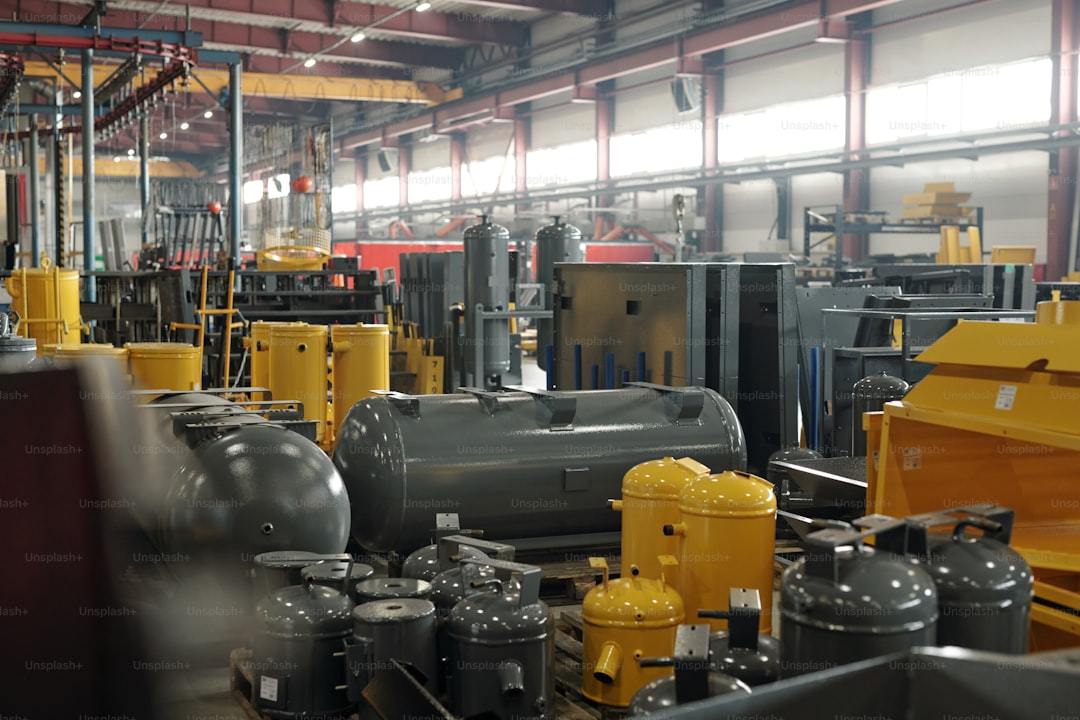
Representative project configuration
A module and pack hall with 1.5 air changes per hour was falling to 22–28% RH in winter, with operators reporting shocks and a rising rate of unexplained board failures at test.
Supply was staged by zone so the humidifiers never fight the dry room pressure cascade, with a hard interlock that stops humidification if the adjacent dry room dew point drifts. East Dehumidifier treats the two systems as one control problem, because commissioning them separately is how plants end up with both running flat out against each other.
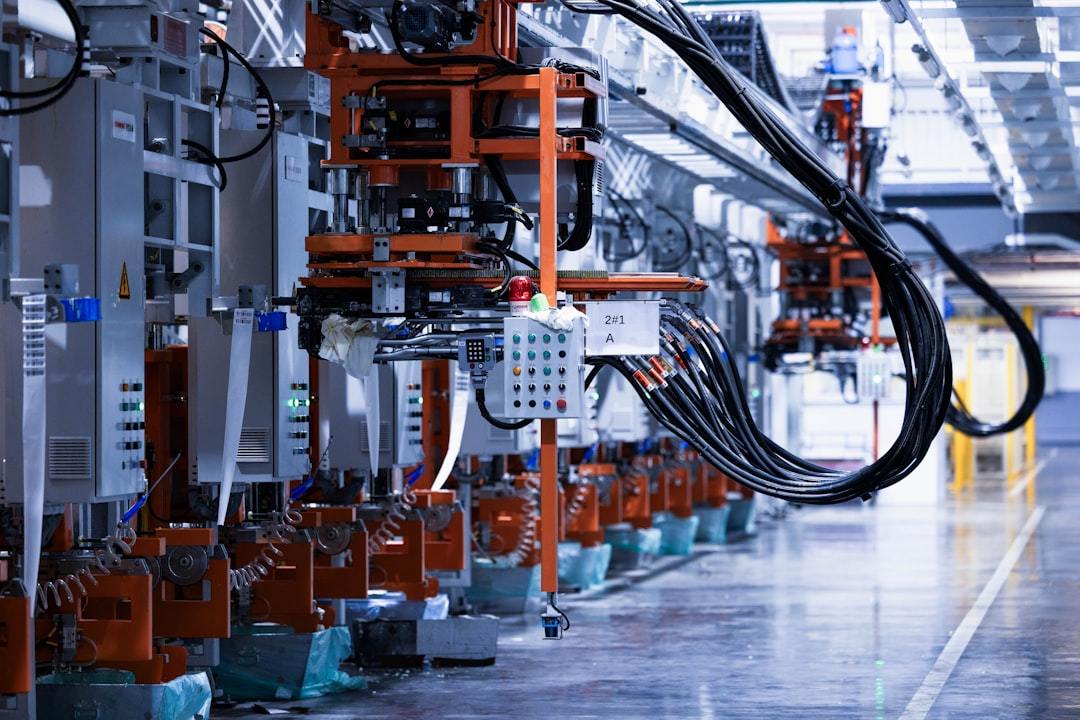
Humidity by area in a cell plant
| Area | Control | Target | Reason |
|---|---|---|---|
| Electrode coating | Dehumidify | −20 to −45 °C dew point | Solvent-based slurry, moisture sensitivity |
| Cell assembly, dry room | Dehumidify | −40 °C dew point or lower | Electrolyte reaction, capacity fade |
| Formation and ageing | Condition | 25 °C, moderate RH | Process stability, safety |
| Module and pack assembly | Humidify | 40–55% RH | ESD control, operator comfort |
| Test and inspection | Humidify | 40–60% RH | Static, latent defect prevention |
| Packing and despatch | Humidify | 40–60% RH | Static, carton and film handling |
Design note: commission the wet and dry zones together. The interface between a −40 °C dry room and a 45% RH assembly hall is where most of the energy is wasted and most of the humidity complaints originate.
Related questions
Balancing dry rooms and humidified halls?
Send your area schedule with target conditions for each zone. East Dehumidifier will return a single control strategy covering both, rather than two systems in competition.