Are ceiling mounted dehumidifiers suitable for cold storage and food processing?
- Share
- Issue Time
- Sep 17,2026
Yes, with conditions. Ceiling units used in chilled food areas typically cover a 5–38 °C incoming air band and hold 40–60% RH, but a standard condensing coil loses most of its capacity below about 5 °C and will ice. For chill rooms at 0–10 °C specify stainless 304 or 316 casing, automatic defrost and cleanable, drained construction — or move to a desiccant machine.
What makes a unit suitable for a food environment
Casing material
Stainless steel 304 is the baseline; 316 earns its premium where salt, brine or aggressive cleaning agents are present. The point is not appearance: a corroded casing sheds particles, harbours bacteria and fails years before the refrigeration does.
Cleanable geometry
Smooth surfaces that can be wiped down, no exposed insulation, sloped drain pans and accessible filters. Equipment that cannot be cleaned does not meet the intent of a hygienic design review, whatever its ingress rating claims.
Condensate handling
Condensate is a hygiene liability, not just water. Route it in an enclosed, trapped line to an external gully so it cannot backflow or splash, and add heat tracing where the line crosses unheated space.
Defrost strategy
Chilled rooms push the coil towards freezing even above 5 °C. Automatic defrost protects capacity and prevents ice forming inside the casing, but it consumes energy and adds heat, which has to be counted rather than ignored.
Healthy scepticism about certificates
Food auditors ask reasonable questions, and equipment vendors sometimes answer them too quickly. A dehumidifier chassis is not "HACCP certified": management systems such as HACCP or ISO 22000 apply to a production process, and their auditable requirement is that equipment can be cleaned, drained and maintained without contaminating product. Hygienic construction is evidence towards that; it is not a substitute for it.
What you can reasonably require is material and test documentation: stainless grade certificates for the casing, food-safe gasket and seal materials, coil coatings specified for corrosive atmospheres, and electrical conformity for the market you operate in. Ask for those specifically rather than accepting a logo.
The limits worth knowing
Condensation control next to a cold room door is genuinely hard. Incoming warm humid air meets cold surfaces faster than any machine can dry it, so the biggest wins usually come from air curtains, door discipline and vestibule design before the dehumidifier is even sized. And where the space is genuinely below 5 °C, no amount of stainless steel changes the physics: rotor-based dehumidification is the answer, and it carries a higher running cost that should be budgeted honestly.
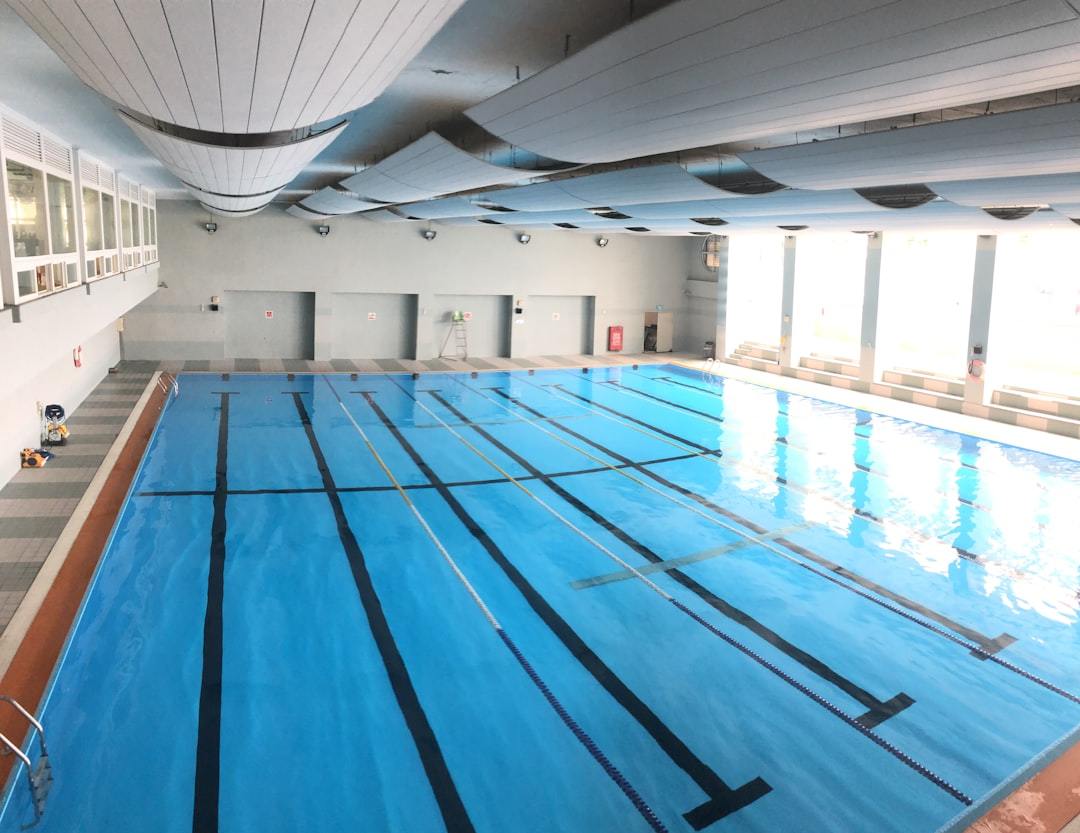
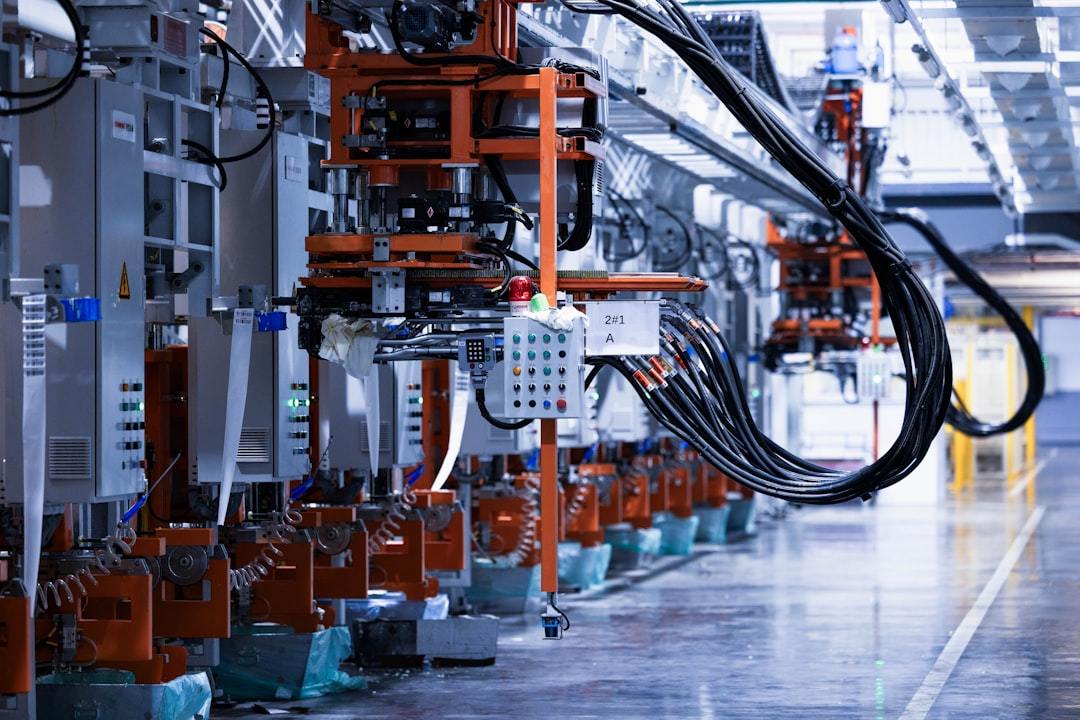
Representative project configuration
A ready-meal packing hall suffered ceiling condensation dripping onto the packing line whenever the room recovered from a wash-down. The target was 55% RH at +8 °C with equipment cleanable by the existing sanitation crew.
Running at +8 °C the units work below their rated band, so capacity was specified with a derating factor rather than at nameplate. Below this temperature East Dehumidifier would quote desiccant rotor equipment instead of stretching a condensing machine. Results depend on door traffic and the wash-down regime.
Specification checklist for chilled and food areas
| Requirement | Typical specification | Why it matters |
|---|---|---|
| Casing material | Stainless steel 304; 316 in salt or brine areas | Survives wash-down and stays cleanable |
| Coil protection | Hydrophilic or epoxy-coated fins | Resists corrosion from cleaning chemicals |
| Sound level | ≤60 dB(A) at 1 m | Manned processing zones |
| Control accuracy | ±3% RH with good sensor placement | Consistent product condition |
| Operating band | 5–38 °C condensing; desiccant below about 5 °C | Decides whether the machine can work at all |
| Drainage | Enclosed, trapped, routed outside the room | Prevents backflow, splashing and icing |
| Cleaning | Sloped pans, removable filters, sealed insulation edges | Hygienic design evidence for audits |
Procurement tip: ask two questions before comparing prices — what stainless grade is the casing, and what is the capacity at your actual design temperature rather than at 30 °C / 80% RH. Those two answers usually reorder the shortlist.
Related questions
Specifying for a food environment?
Send room temperature, target RH, cleaning regime and drain position. East Dehumidifier will return a hygienic specification with the derated capacity stated clearly.