Which industries use split heating cooling dehumidifiers?
- Share
- Issue Time
- Sep 21,2026
Split heating cooling dehumidifiers cluster in five sectors: indoor pools and spas, hotels and villas, food and pharmaceutical processing, electronics and battery sub-assembly, and water treatment or archive buildings. Most commercial units run between 50 and 150 pints per day, hold 30 to 50 percent RH, and lose capacity below about 15 degrees Celsius, where condensing machines stop being the right answer.
Where the demand actually comes from
Published market breakdowns put the commercial segment at roughly 35.6 percent of split type dehumidifier value and the industrial segment near 16.2 percent, with the rest residential. The split matters because the specification logic differs completely. Commercial buyers want quiet, year-round comfort with humidity held inside a band. Industrial buyers want a process condition defended against a known moisture source, usually with logging and alarms attached.
The strongest commercial case is the indoor pool and spa hall. Water evaporates continuously, the room has to stay warm, and a standard air conditioner cannot dry it without over-cooling. A hall that wants 28 °C air at 55% RH while the water sits at 27 °C is a dehumidification problem with a heating duty attached, which is what a four-in-one split machine is built for.
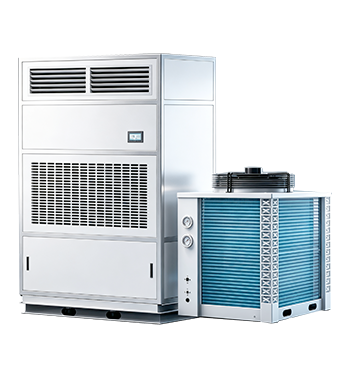
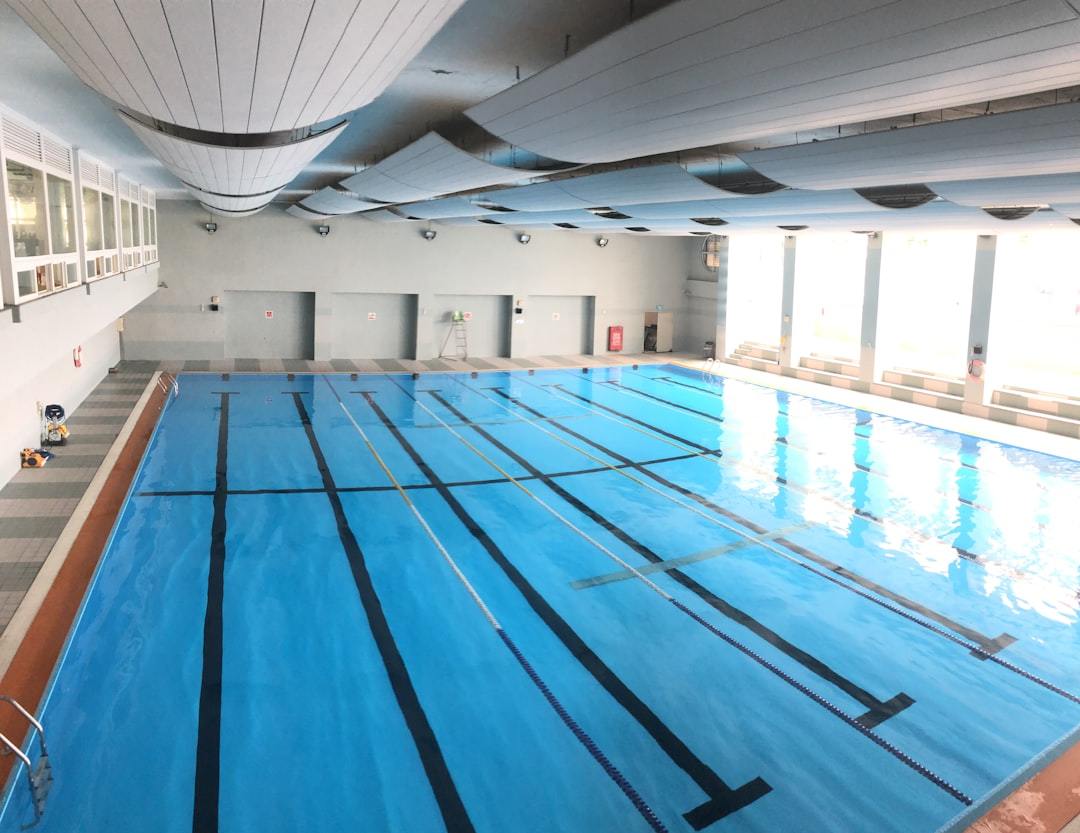
The strongest industrial cases are food and beverage packing, pharmaceutical processing, electronics assembly and battery sub-assembly, where the published target band is 30–50% RH and the penalty for drift is scrap rather than discomfort. Data centres, museums and archives buy the same control for corrosion and static reasons, with growth in the industrial vertical reported around 8.7 percent a year.
Where a split system is the wrong answer is equally clear. It remains a condensing machine, so capacity falls below roughly 15 °C and the coil ices below about 5 °C. Cold stores, freezers and unheated winter halls need desiccant rotor technology instead. A process that needs drying only, with no temperature duty, is cheaper served by a single packaged unit.
Representative project configuration
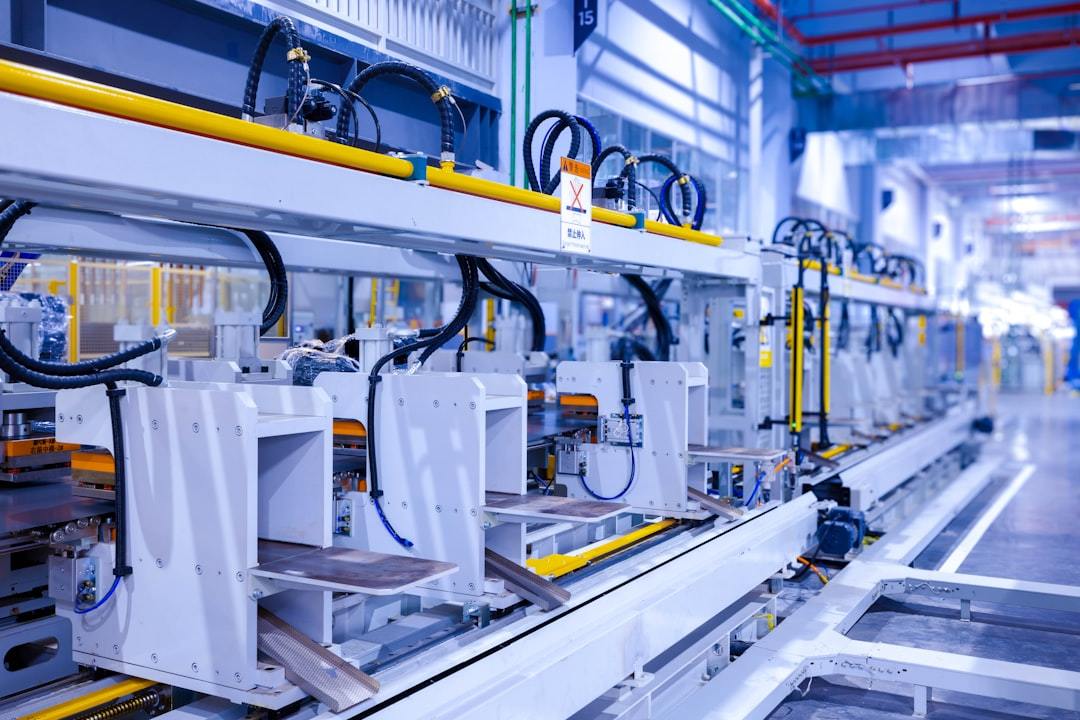
A sub-assembly hall was seeing summer condensation on chilled machine frames and winter static failures on the line, and the existing rooftop units could hold temperature but not humidity. The requirement was 23 ±2 °C at 45 ±5% RH with the plant noise kept out of the working area.
Outdoor units went on the roof plant deck, indoor units into a service corridor feeding a short duct run, and condensate to a trapped waste line. The limitation worth recording: the hall never drops below 18 °C, which is what makes a condensing split viable here. A hall running at 8 °C would need a rotor machine.
Sector targets and why the split design wins
| Sector | Typical target | Usual size band | Why a split system |
|---|---|---|---|
| Indoor pools and spas | 28–30 °C / 50–60% RH | 150–600 L/day | Warm room, continuous evaporation, compressor noise kept outdoors |
| Hotels, villas, leisure | 22–26 °C / 45–55% RH | 50–150 pt/day | Year-round comfort, quiet indoors, plant out of sight |
| Food and beverage packing | 12–18 °C / 50–60% RH | 100–300 L/day | Condensation on chilled product and wrapping film |
| Pharmaceutical and electronics | 20–24 °C / 35–50% RH | 100–400 L/day | Caking, static and corrosion; logged and alarmed |
| Water treatment and archives | 15–25 °C / 45–55% RH | 100–250 L/day | Corrosion of plant, mould on stored material |
The chilled food row carries a warning: at 12–18 °C a condensing split is close to its usable floor, so capacity has to be derated against the nameplate figure measured at 27 °C / 60% RH. East Dehumidifier sizes from room volume, insulation and the moisture source rather than from floor area, and will say plainly when a rotor machine is the better call.
Related questions
Specifying for one of these sectors?
Send the sector, room volume, target conditions and operating hours. East Dehumidifier will say whether a split system or a rotor machine is the right answer before you commit.