How energy efficient is a split dehumidifier compared with separate HVAC plus dehumidifier?
- Share
- Issue Time
- Sep 21,2026
Against a separate air conditioner plus dehumidifier, an integrated split machine usually wins on latent efficiency, because heat taken out of the air is recovered instead of rejected. Reported figures put energy savings at 30 to 69 percent, COP near 2.6 and payback at two to three years. The gain comes from heat recovery and from not running two compressors against each other.
Why two machines waste energy that one does not
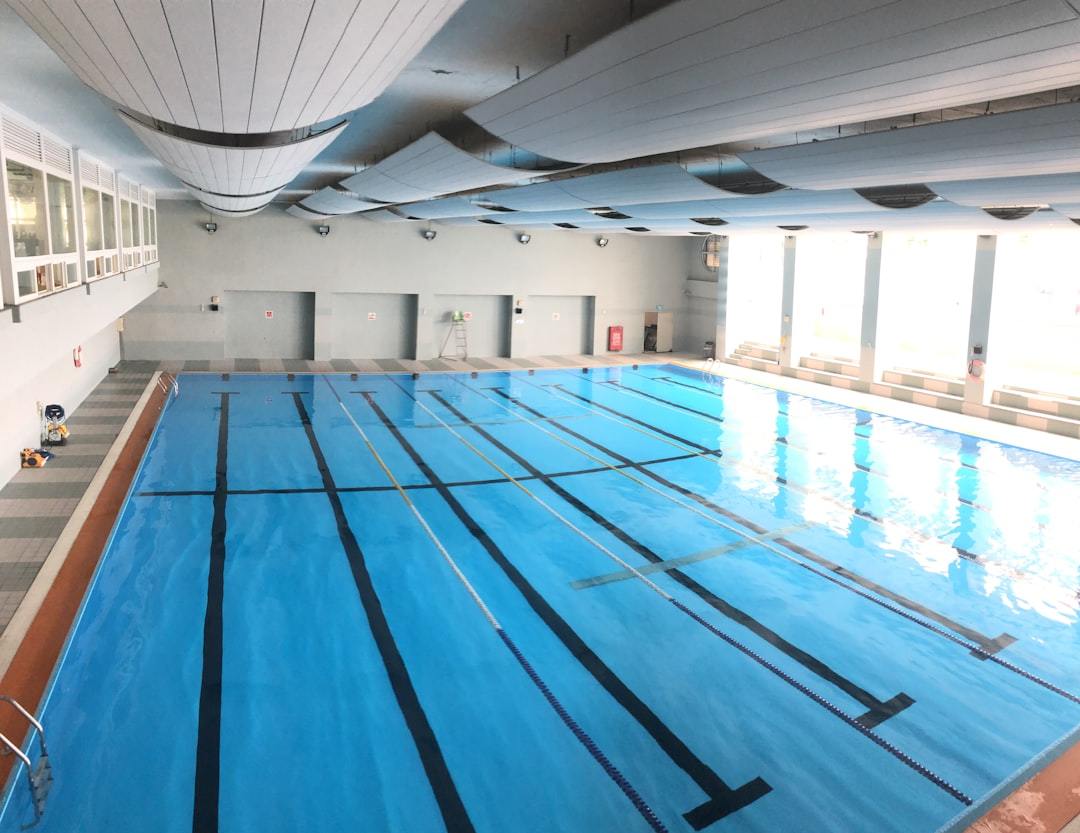
A conventional arrangement does two contradictory things at once. The air conditioner cools the room to remove sensible heat, and the dehumidifier removes moisture and then re-heats the air as a side effect of the refrigeration cycle. In a space with a real latent load — a pool, a wash-down area, a grow room — the two units end up fighting: one adds heat the other has to take away.
An integrated machine removes that contradiction. Air is cooled below its dew point, water drops out, and the recovered heat is either returned to the room through the reheat section or rejected outdoors, depending on what the controls call for. That is why published comparisons of integrated dehumidification and heating units quote COP up to about 2.6 and annual energy reductions of 52–69 percent against the separated arrangement.
Laboratory work supports the direction, if not the headline number. Testing at the Western Cooling Efficiency Center compared a split dehumidifier using a plate air-to-air heat exchanger against a traditional unit and forecast 30 percent or more energy saving, with a range up to 65 percent depending on latent load. Independent guidance on residential split systems also notes that holding 45% RH lets occupants raise the thermostat from about 21 °C to 24 °C with the same perceived comfort, worth 15–20 percent on the cooling bill.
There is a counter-case worth stating. If the space has almost no latent load — a dry warehouse that only needs cooling — the integrated machine simply costs more. It carries a capital premium of roughly 15–25 percent and needs refrigerant work by a qualified installer, which a plug-in packaged unit does not.
Representative project configuration
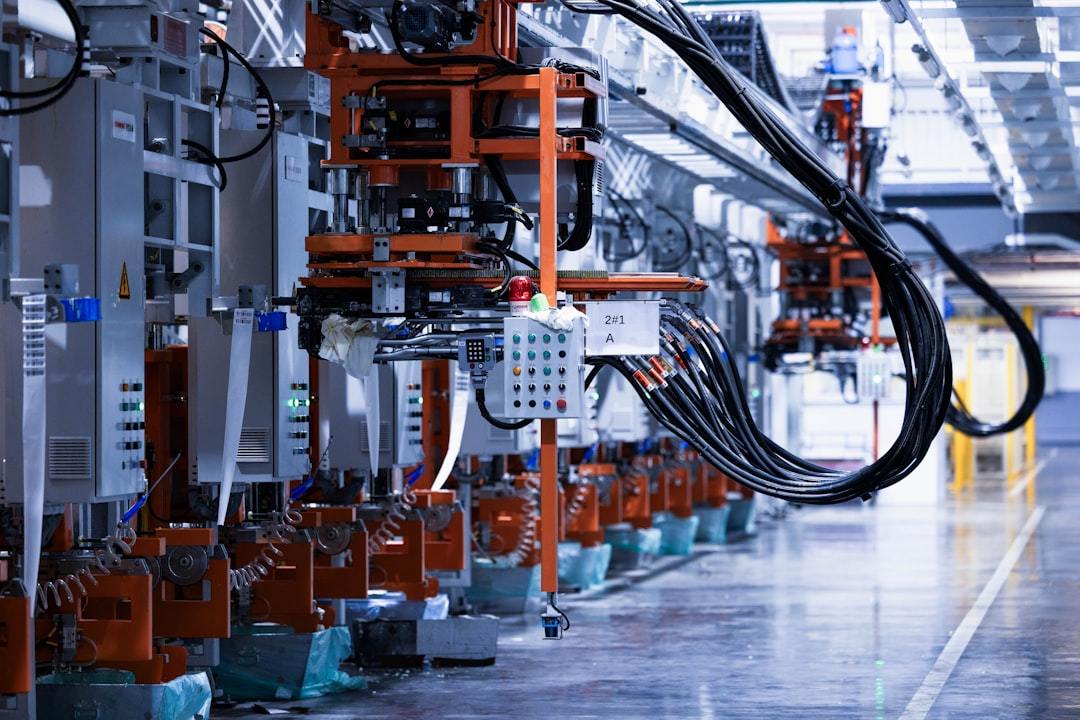
A growing facility was running a dedicated dehumidifier alongside air conditioning, with the air conditioning sized mainly to remove the heat the dehumidifier kept putting back. Transpiration gave a latent load far above anything a comfort application sees, and the two plants were sized independently.
The published case forecast 30–65 percent saving depending on the transpiration rate, and 100 percent of the removed water could be returned to irrigation. The honest caveat is that these are modelled forecasts for one climate, not a guaranteed figure; the saving scales with how much of your load is latent.
Where the saving comes from, item by item
| Item | Separate HVAC + dehumidifier | Integrated split machine |
|---|---|---|
| Latent and sensible handling | Two units, often fighting | One refrigerant circuit, sequenced |
| Reheat | Dehumidifier reheats, AC removes it again | Recovered heat returned or rejected by control |
| Control accuracy | ±5% RH, ±2 °C | ±1% RH, ±0.5 °C |
| Plant space | Two footprints, two duct runs | 30–50% less floor space |
| Capital cost | Lower | 15–25% higher |
| Low-temperature duty | Same condensing limit | Capacity falls below about 15 °C |
Read the efficiency numbers as vendor and laboratory ranges rather than certified ratings: they are measured at different inlet conditions and different latent ratios, and no single standard governs the comparison. East Dehumidifier will model your own inlet conditions and latent ratio rather than quote a catalogue percentage, because the answer depends almost entirely on how much of your load is latent.
Related questions
Want a modelled comparison?
Send inlet conditions, target RH and the split between latent and sensible load. East Dehumidifier will model integrated versus separate plant rather than quote a catalogue percentage.