How long does a desiccant rotor last and how is it maintained?
- Share
- Issue Time
- Sep 21,2026
A silica gel rotor typically lasts five to eight years in clean industrial service, and eight to twelve years where filtration is good and regeneration stays below 140 degrees Celsius. Contaminated air or overheating cuts that to three to five years. Maintenance is mostly filtration and belt tension; the rotor is replaced as a service item, not the whole machine.
What actually wears out, and in what order
Inlet filtration
The rotor is the last line of defence, not the first. Dust and oil vapour reaching the media block the adsorption pores permanently. Guidance from rotor specialists puts the difference starkly: with F7 class filtration or better plus an optional carbon pre-filter, rotor life moves from 2–3 years to 10 years or more. This is the cheapest item on the list and the one most often skipped.
Regeneration temperature
Roughly 90 percent of the energy a desiccant unit consumes goes into heating reactivation air. Silica gel runs at 100–140 °C and molecular sieve at 180–220 °C. Running a silica gel rotor above about 140 °C damages the substrate and is the fastest way to lose years of service life.
Drive belt and bearings
The rotor turns at roughly 8–20 revolutions per hour, so the drive train accumulates hours slowly but continuously. Inspect belt tension annually and replace every 3–5 years, or sooner if wear is visible. A slipping belt drops capacity by 10–15 percent before anyone notices the dew point drifting.
The media itself
Adsorption capacity declines slowly and then visibly. Replacement is indicated when removal efficiency drops more than 20 percent and does not recover after cleaning, when the surface shows cracking or shedding, or when regeneration energy rises while the target temperature cannot be reached.
What a service visit actually covers
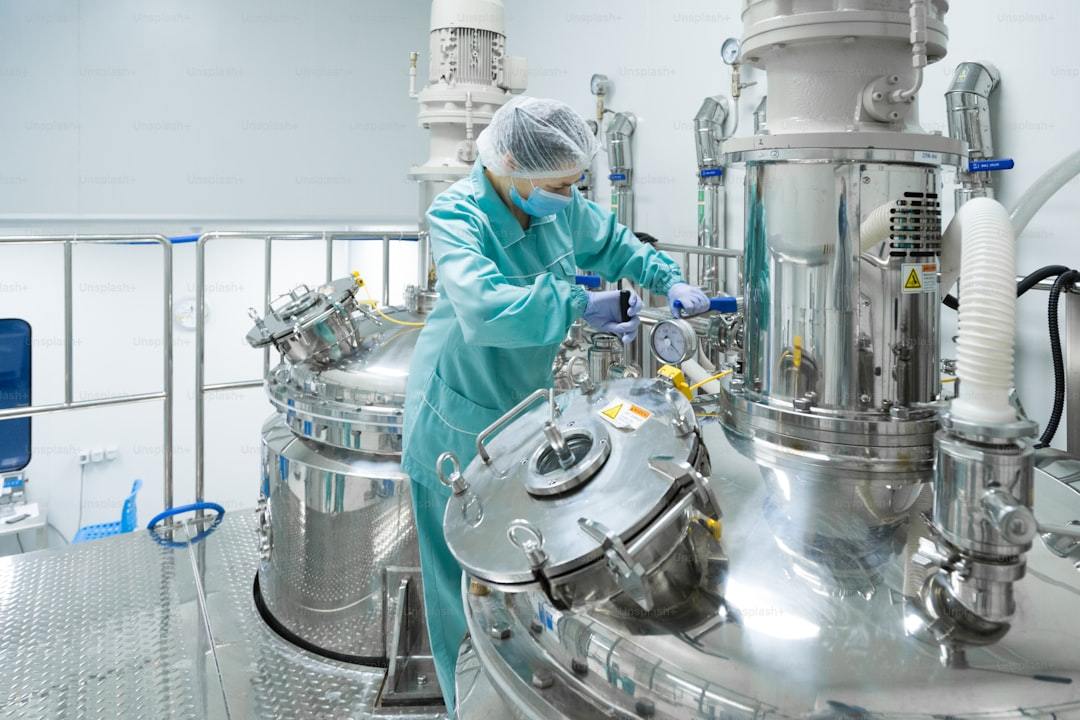
Filter work comes first and is mostly visual: loading, damage and whether the element is still seated. A G4 plate filter is cleaned and refitted rather than thrown away, and cleaning frequency in an industrial environment lands around every 3–6 months, more often in dusty conditions.
The rotor inspection is a performance check, not a look. Compare outlet dew point against the commissioning figure under the same inlet conditions. A gradual drift means fouling or belt slip; a step change usually means a heater or damper fault. Wash the rotor only as a last resort and only after consulting the manufacturer, because water or acid detergent on the media is not part of routine maintenance.
Representative project configuration
A granulation suite ran its rotor unit 24 hours a day with inlet air taken from a corridor that also carried cleaning vapour. The question was whether to budget for rotor replacement at year five or year ten.
With chlorinated cleaning vapour kept off the media and regeneration held 20 °C below the damage threshold, the maintenance plan assumes a decade rather than five years. The trade-off is real: the extra filtration stage costs money up front and adds static pressure the process fan has to overcome.
Service intervals and life expectations
| Item | Interval | What to check | Failure symptom |
|---|---|---|---|
| G4 plate inlet filter | Inspect quarterly, clean 3–6 mo | Loading, damage, seating | Rising static pressure, falling airflow |
| F7 or carbon pre-filter | Replace 6–12 mo | Oil and solvent loading | Gradual capacity loss, media contamination |
| Rotor drive belt | Inspect annually, replace 3–5 yr | Tension, cracking, glazing | 10–15% capacity drop, wet air temperature rise |
| Silica gel rotor | Test annually, replace 5–8 yr | Outlet dew point vs commissioning figure | More than 20% loss after cleaning |
| Wet air outlet duct | Check seasonally | Fall, insulation, trap and drain | Condensate running back into the cabinet |
Industry rules of thumb on repair versus replacement are worth knowing: while annual repair cost stays below about 25 percent of replacement cost and the unit is under roughly 8 years old, repair is usually right; past about 12 years, or past 40 percent of replacement cost, replacement wins. East Dehumidifier supplies the rotor as a field-replaceable service item behind a single access door, so a media change is a scheduled job rather than a plant replacement.
Related questions
Planning a maintenance budget?
Send model, hours run, inlet conditions and filtration class. East Dehumidifier will return a service schedule with realistic rotor and belt intervals rather than a best-case figure.