Which industries benefit most from hybrid desiccant dehumidifier units?
- Share
- Issue Time
- Sep 21,2026
Hybrid units suit processes that need deep drying and sensible cooling at the same time: lithium battery dry rooms, pharmaceutical granulation and coating, electronics assembly, chilled food packing and archive storage. They earn their cost where humidity targets fall below 20 percent RH or dew points below minus 10 degrees Celsius, and where the load runs all year.
What the hybrid arrangement actually buys you
A hybrid unit puts a refrigerant coil ahead of the desiccant rotor. The coil does the cheap work — removing bulk moisture and sensible heat while the air is still humid — and the rotor does the expensive work of taking the last few grams down to a deep dew point. Each technology therefore runs in the band where it is most efficient, rather than one technology being forced to cover the whole range.
The effect on specific energy is large. Published market analysis puts conventional desiccant systems at 2.5–4.5 kWh per kilogram of water removed, against 1.0–1.8 kWh/kg for advanced hybrid systems combining refrigerant pre-cooling with heat recovery. That is a 35–55 percent reduction in the dominant running cost of a dry room.
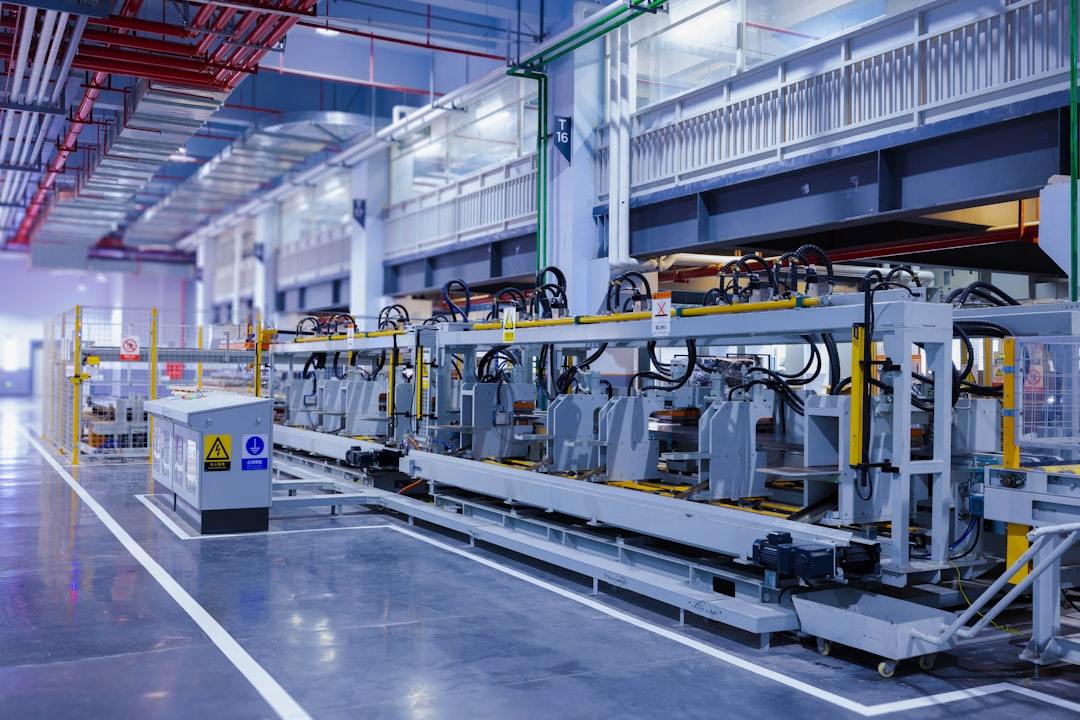
Lithium battery manufacturing is the strongest case and the fastest growing one. Electrode coating and cell assembly run below 1% RH with cell assembly around 0.1% RH, and the electrolyte filling step down near 0.02% RH. Only desiccant technology reaches those levels, and only a hybrid does it without a very large regeneration bill. Battery makers increasingly specify hybrid for exactly this reason.
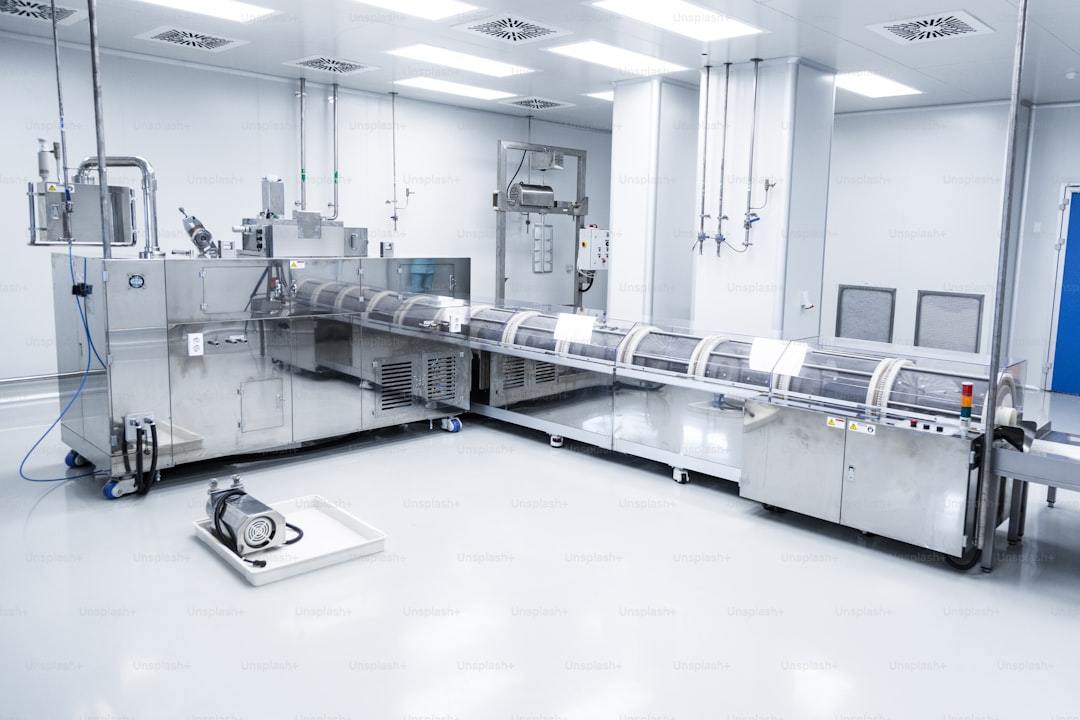
Pharmaceuticals follow for granulation, coating and packaging lines where GMP requires a defined band — commonly 18–26 °C at 45–65% RH in non-sterile areas, with much drier conditions in processing. Chilled food packing, electronics assembly and archives make up the rest, each wanting a tight band held continuously rather than a low number reached occasionally.
Representative project configuration
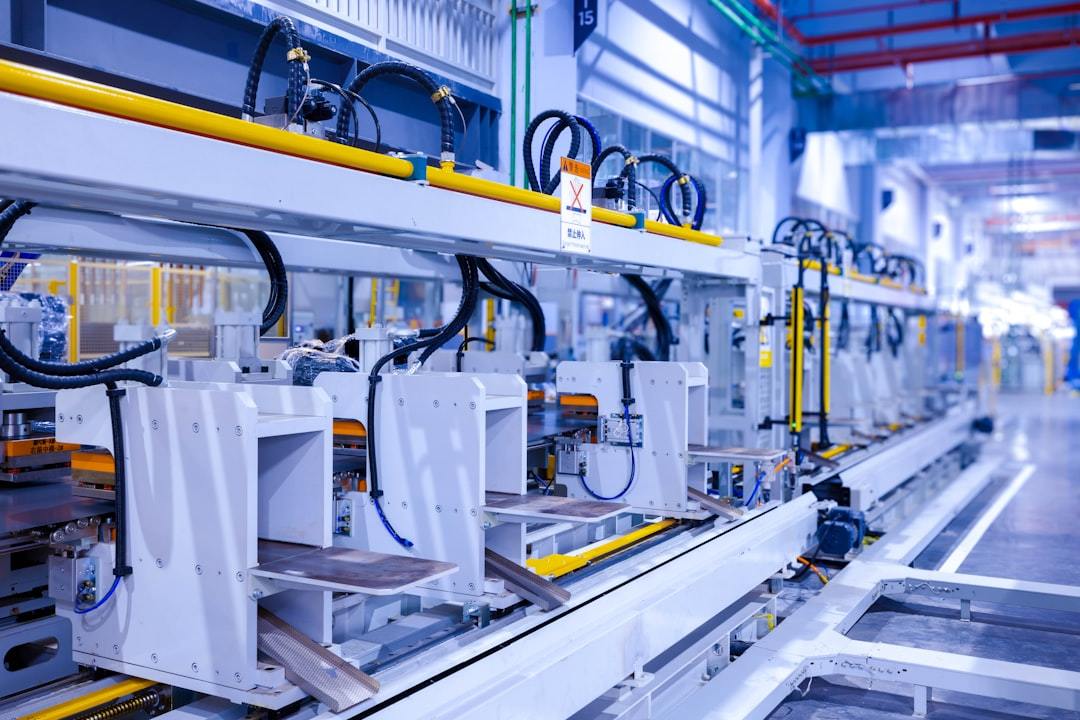
An electrode line needed −40 °C dew point held continuously at 20–25 °C, with the hall also carrying a significant sensible load from the coaters and ovens. A pure desiccant scheme met the dew point but left the regeneration bill as the largest item on the plant energy account.
The trade-off is honest and worth stating: capital cost for rotary and hybrid dry room systems typically runs $45,000–$250,000 depending on capacity, and annual desiccant media and regeneration costs add up. Hybrid only wins where the duty is continuous enough for the energy line to dominate the capital line.
Industry fit at a glance
| Industry | Target | Why hybrid | Watch out for |
|---|---|---|---|
| Lithium battery | −40 to −60 °C dew point | Deepest drying at lowest specific energy | Highest capital cost of any option |
| Pharmaceutical | 18–26 °C / 45–65% RH, drier in processing | Latent and sensible load handled together | Validation and documentation burden |
| Electronics assembly | 35–50% RH | Static control plus cooling in one unit | Often cheaper as a plain refrigerant system |
| Chilled food packing | 5–12 °C / 50–70% RH | Rotor works where a coil would ice | Wash-down hygiene and drainage |
| Archives and museums | 45–55% RH band | Both directions of drift controlled | A combo unit may be enough |
Hybrid is the most complex option on the list and carries the highest maintenance burden — a refrigerant circuit, a rotor, a regeneration heater and two air paths in one cabinet. If your target is 30–50% RH with no deep dew point requirement, a plain refrigerant machine is usually the better buy. East Dehumidifier will quote the simpler option first where it meets your target, because complexity has a running cost of its own.
Related questions
Hybrid or single technology?
Send target dew point, airflow, hours and inlet condition. East Dehumidifier will quote the simplest machine that meets your target, and say when hybrid is genuinely worth the premium.