What is the payback period of a hybrid dehumidifier investment?
- Share
- Issue Time
- Sep 21,2026
Most hybrid desiccant investments pay back in two to four years, with three to five years more common where duty is seasonal. The driver is specific energy: conventional desiccant systems run 2.5 to 4.5 kilowatt hours per kilogram of water removed, while hybrid systems with refrigerant pre-cooling and heat recovery reach 1.0 to 1.8.
What actually moves the payback number
Operating hours
Payback is driven by hours, not by calendar years. A dry room running 8,760 hours a year converts an energy saving into cash far faster than a seasonal line. Published analysis of commercial buildings on continuous duty puts hybrid savings at 12,000–18,000 kWh a year, worth roughly $1,440–$2,160 at average industrial tariffs. On intermittent duty, divide the same saving over a fraction of the hours.
Specific energy gap
The gap between 2.5–4.5 kWh/kg and 1.0–1.8 kWh/kg is the whole business case. At gigafactory scale — dry room loads of 8–15 MW running continuously — published figures put annual energy cost savings at $2–6 million, which is why payback compresses to well under three years at that end of the range.
Value of what is protected
Energy is only part of the return. Pharmaceutical facilities report 40–50 percent annual energy cost reduction against mechanical cooling, and food storage operations report 15–25 percent less spoilage. One documented spice facility cut moisture-related rework from 2.3 percent to 0.17 percent, saving about $412,000 a year in raw material alone — which pays back almost any system.
Maintenance and capital
Budget against both. Industrial desiccant maintenance typically runs $2,000–$10,000 a year, or 4–8 percent of purchase price, with media replacement every 2–5 years. Capital for rotary and hybrid systems spans $45,000–$250,000. A payback quoted without these two lines is incomplete.
Where the saving shows up on site
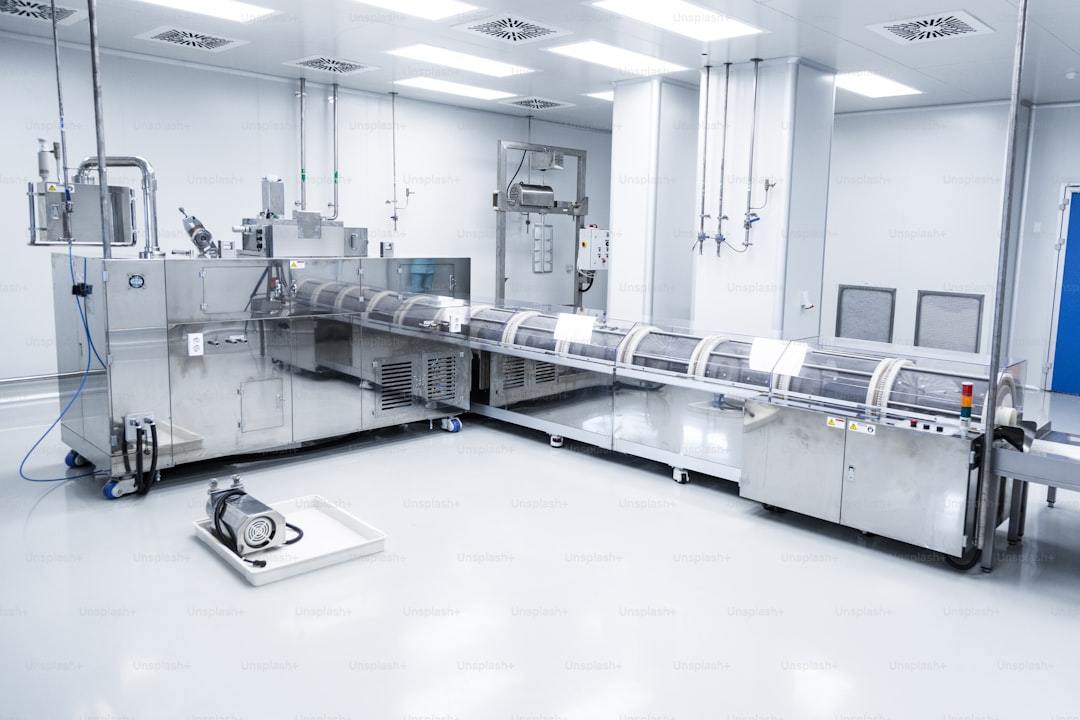
The energy line is the easiest to calculate and often not the largest. In continuous pharmaceutical duty, published comparisons put the reduction at 40–50 percent against mechanical cooling, which on a large plant is a material annual figure. In food storage the same source quotes 15–25 percent less spoilage, and spoilage is priced at product value rather than at cents per kilowatt hour.
The second saving is equipment life. Running the refrigerant stage only for sensible heat, and the rotor only for the deep moisture, keeps the compressor off the latent duty that shortens its life. Maintenance cost reductions of 18–25 percent over the system life are quoted for this reason, which matters because maintenance is usually 4–8 percent of capital per year.
The third is avoided capital elsewhere: a smaller chiller, less electrical infrastructure, and in some cases a smaller make-up air heater. These rarely appear in a payback calculation and they should, because they reduce the number you are dividing the saving into.

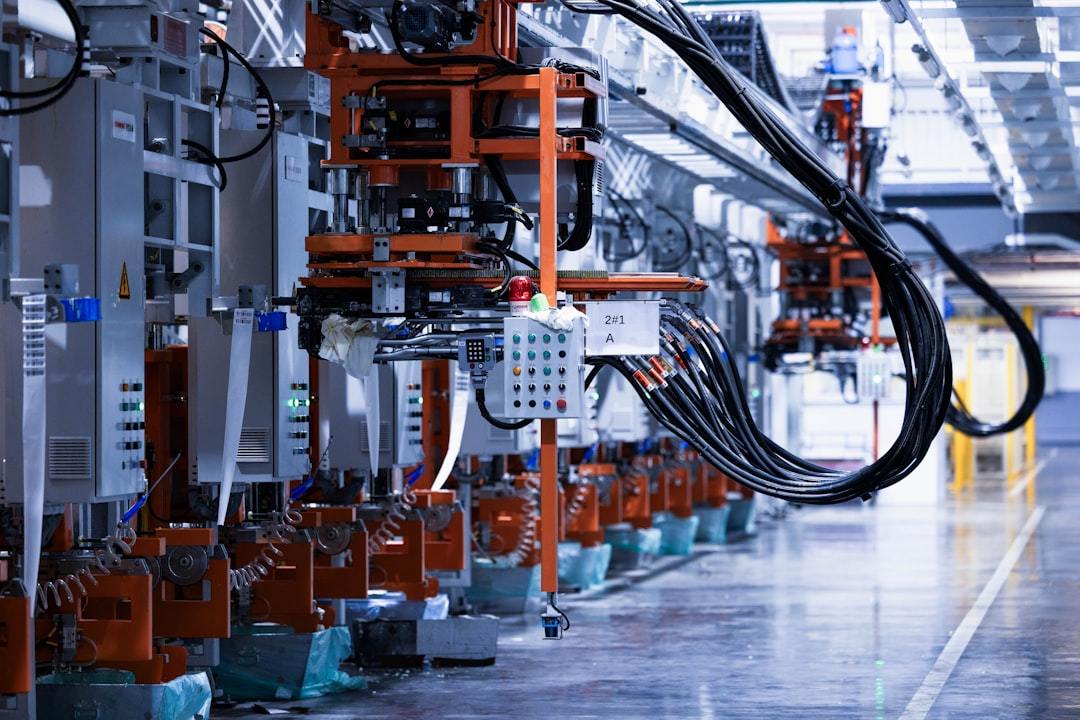
Representative project configuration
A packaging hall replaced a refrigerant installation that had been running continuously, with downtime and product rework counted alongside energy. The comparison assumed 16-hour days and a three-year equipment horizon — a deliberately conservative frame, since a desiccant or hybrid cabinet normally lasts far longer.
Note how little of that comes from energy: the maintenance and downtime line is the larger single contributor, and it is the one most often omitted from vendor payback calculations. Also note the horizon — a three-year window understates a machine that runs 12–20 years.
Payback by scenario
| Scenario | Duty | Reported payback | Comment |
|---|---|---|---|
| Continuous dry room, gigafactory scale | 8,760 h/yr | Under 3 years | Largest absolute savings, $2–6M/yr quoted |
| Pharmaceutical processing | Continuous | 3–5 years | 40–50% energy reduction vs mechanical cooling |
| Food storage with spoilage exposure | Seasonal to continuous | 1.5–3 years | Product loss dominates the return |
| Commercial building, 8,760 h | Continuous | 3–5 years | $1,440–$2,160/yr at average tariffs |
| Intermittent or standby duty | Under 2,000 h/yr | Often never | Capital premium is not recovered |
Treat every published payback figure as scenario-specific rather than a promise: it depends on your energy tariff, your hours, your inlet condition and the value of what you are protecting. Where a vendor quotes 18–24 month payback, ask which tariff and which duty cycle produced it. East Dehumidifier builds the payback case from your own four numbers — hours, tariff, moisture load and product value — and will say when the honest answer is that a simpler machine pays back faster.
Related questions
Building the business case?
Send hours, energy tariff, moisture load and the value of what you protect. East Dehumidifier will build the payback from your own four numbers and flag when a simpler machine pays back faster.