Can a single unit desiccant dehumidifier run outdoors or in harsh environments?
- Share
- Issue Time
- Sep 28,2026
Yes, if the cabinet is built for it. Outdoor-rated desiccant units use an IP54 weatherproof housing and are catalogued from minus 18 to plus 40 degrees Celsius ambient, with desiccant technology itself working from about minus 10 to plus 50. A standard indoor cabinet is not rain-proof, and salty or dusty air still needs the right filtration and coating.
What "outdoor rated" actually covers
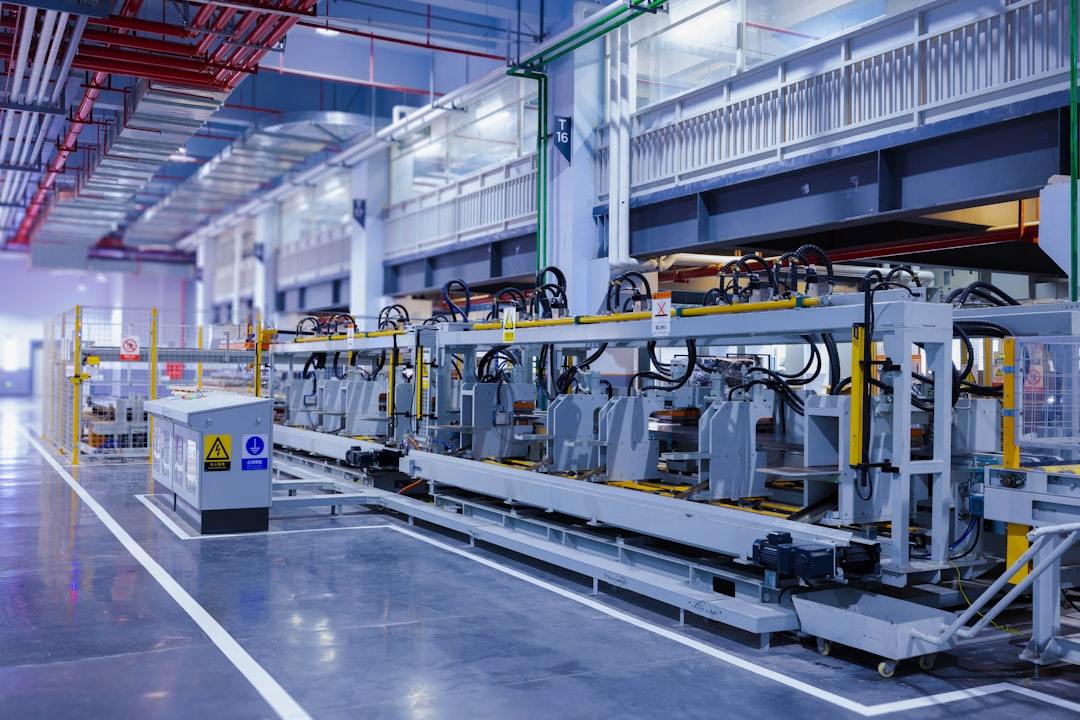
The code is doing specific work. Under IEC 60529 the first digit is solid-ingress protection and the second is water: 5 means dust-protected rather than dust-tight, and 4 means splashing water from any direction. So IP54 covers a plant deck in the rain; it does not cover a hose-directed wash-down, which is IP55 or IP56 territory, and it certainly does not cover immersion. Published outdoor ranges pair that housing with a galvanised or coated steel cabinet, G4 filtration and electric regeneration.
Temperature is the second limit. Outdoor desiccant series are catalogued at roughly −18 to +40 °C ambient, and desiccant technology in general is quoted from about −10 to +50 °C — far wider than the 5–38 °C band of a condensing machine. Above about 40 °C the thermal protection on the cabinet starts to intervene.
Desiccant is genuinely well suited to outdoor duty for a mechanical reason: it has no condensate drain to freeze. All the removed moisture leaves as vapour in the regeneration air stream, so there is no water trap, no freeze-up and no defrost cycle. That is why an outdoor desiccant unit keeps drying at ambient temperatures where a condensing machine would spend most of its time defrosting.
The ducts still need thought. The wet air discharge can carry a dew point well above ambient, so it has to be insulated, sloped away from the cabinet and, in cold climates, trace-heated, or it condenses and runs back into the machine. Air intakes need a canopy and a siting decision about prevailing wind, snow and plant-deck runoff.
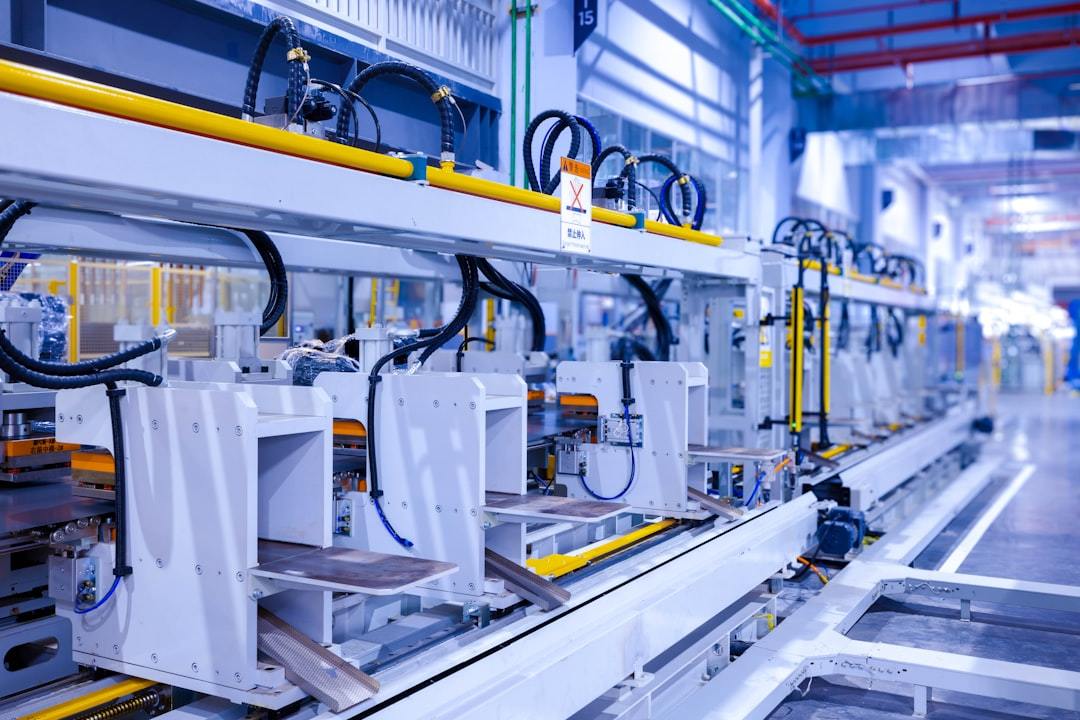
Representative project configuration
A cold store on a coastal site needed dry make-up air at its loading bay intake, with no indoor plant room available and salt-laden air on the deck year round. The unit had to sit outside and had to survive the site, not just the specification.
Salt is the reason the coil is coated and the fixings are stainless: standard galvanised hardware on a coastal deck corrodes in a couple of seasons. Prefiltration is G4 plus F7 with inspection every three months rather than six, because salt-laden dust loads filters faster than inland dust. East Dehumidifier specifies the coating and filter class with the site, and will say plainly when a simple canopy and an indoor location would be the cheaper answer.
Harsh-environment requirements and what skipping them costs
| Exposure | Specify | If skipped |
|---|---|---|
| Rain and snow | IP54 minimum, canopy, sloped wet-air duct | Water ingress to the rotor and heater, earth faults |
| Hose-directed wash-down | IP55 or IP56, sealed gland entries | IP54 is splash-proof, not jet-proof |
| Coastal or chemical air | Epoxy or phenolic coated coil, stainless fixings | Coil corrosion and cabinet rust within a few seasons |
| Dust and fibre | G4 plus F7 prefiltration, inspection every 3–6 months | Media fouling, rotor life falling to 2–3 years |
| Freezing ambient | Duct insulation, trace heating, panel heater | Condensate in the wet-air duct, control faults |
| Ambient above 40 °C | Shade, derating, ventilation clearance | Thermal protection trips, output falls |
Three limits are worth stating without qualification. IP54 is not jet-proof, so a food plant wash-down is a different specification; ambient above about 40 °C derates the machine; and regeneration above roughly 140 °C damages a silica gel rotor, so hot-climate control settings matter as much as the enclosure. Where the duty is intermittent, or where an indoor plant room exists, an indoor cabinet behind a louvre is usually cheaper to buy and far easier to service. East Dehumidifier will recommend that option first when it fits the site.
Related questions
Outdoor or harsh-environment duty?
Send location, ambient range, airborne contaminants and target dew point. East Dehumidifier will specify enclosure, coating and filtration for the site, and say when an indoor location is the better answer.